
What to Pack for Paddleboarding: My Actual SUP Day Bag (2026)

The short answer
For a half-day paddle on flat coastal water you need fifteen things, and only four of them are non-negotiable: a leash, a PFD or buoyancy aid, a dry bag, and more water than you think. Everything else is comfort, sun protection, or insurance against a small failure turning your day around.
The list below is what actually lives in my dry bag after two seasons of guiding, plus the cold-water sessions that taught me the rest. It includes the six things I stopped bringing because they never came out of the bag.
What’s in this guide
- The full packing list at a glance
- The four things you cannot skip
- Phone, keys and the small dry pouch problem
- Sun, heat and hydration
- Comfort and insurance items
- Six things I stopped bringing
- How to pack it so nothing shifts
- Packing for Mediterranean heat
- The printable checklist
- Questions I get asked
The overview
What do you actually need to bring paddleboarding?
Most packing lists are written by people who have never had to carry the bag across 200 metres of hot rock to reach the water. Weight matters. Every item below earns its place, and I’ve marked which ones are genuinely essential versus which are quality-of-life.
| Item | Priority | The spec that actually matters |
|---|---|---|
| Coiled leash | Essential | Coiled, 10ft, double stainless swivels |
| PFD / buoyancy aid | Essential | 50N foam vest, or 75N inflatable belt pack |
| Dry bag | Essential | 20L, roll-top, welded seams, D-ring |
| Water | Essential | 1L minimum, insulated so you actually drink it |
| Waterproof phone case | Essential | Fully submersible, with a lanyard |
| Whistle | Essential | Pealess — metal ones corrode in salt water |
| SPF 50 | Essential | Water-resistant, in the bag not the car |
| Sun hat | High | Chin cord — this is the whole purchase |
| Sunglasses retainer | High | Buoyant neoprene, not just a cord |
| Water shoes | High | Thin sole so you feel the board |
| Small key pouch | High | 2–3L, bright colour, always the same pocket |
| Repair kit | Medium | Valve wrench matched to your board’s valve |
| Quick-dry towel | Medium | Microfibre with its own stuff sack |
| Electrolyte tablets | Medium | Sugar-free, sealed tube not sachets |
| Waterproof watch | Medium | 100m rating minimum, backlight |
The principle behind the list
Wind decides your day, and wind almost always gets worse later. That single fact reshapes everything below: you pack for the paddle home, not the paddle out. It is why the water bottle matters more than the snacks, why the leash is not optional, and why the forecast you should be reading is the one for the hour you plan to come back.
Group one
Which four items should you never leave behind?
These four are the difference between an inconvenience and an incident. If your budget is tight, buy these properly and buy the rest cheap.
Safety — the non-negotiables
Buy once, buy well
01 · Essential
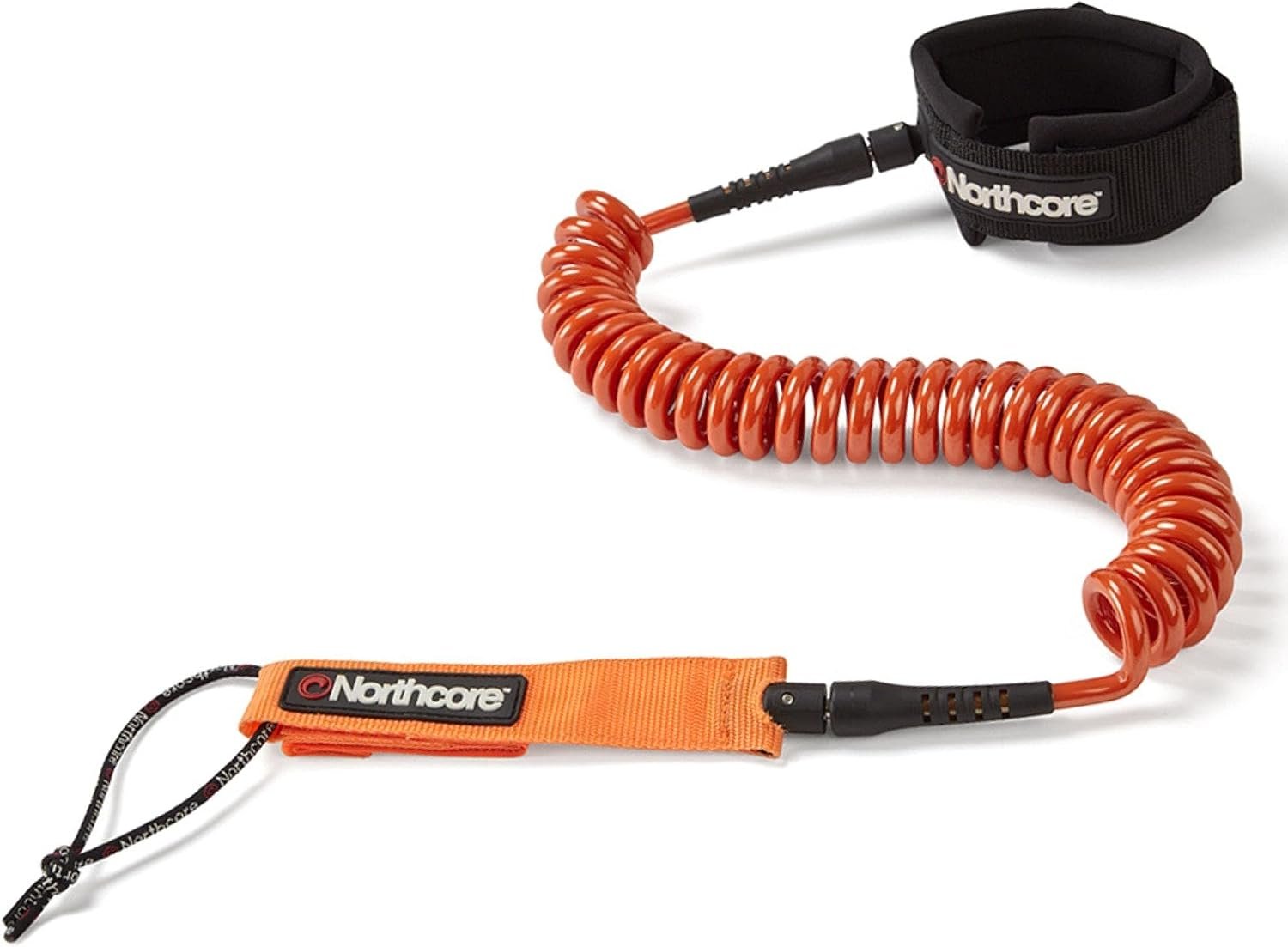
Northcore 10ft Coiled SUP Leash
Your board is the largest flotation device you will ever have, and a leash is the only thing keeping it within reach. I use a coiled leash rather than a straight one because it sits on the deck instead of dragging behind you and catching on weed. The Northcore runs an 8mm urethane cord with double stainless swivels, a quick-release rail saver and a small key pocket — and I picked orange deliberately, because a leash you can see is a leash you notice when it’s frayed.
Look for — coiled, 10ft, double stainless swivels, quick-release tab
Also worth a look: Dakine SUP Coiled Ankle Leash (straight-coil-straight design, keeps the cord clear of the water) · Abahub Coil SUP Leash (the budget option that still gets the swivels right)
02 · Essential
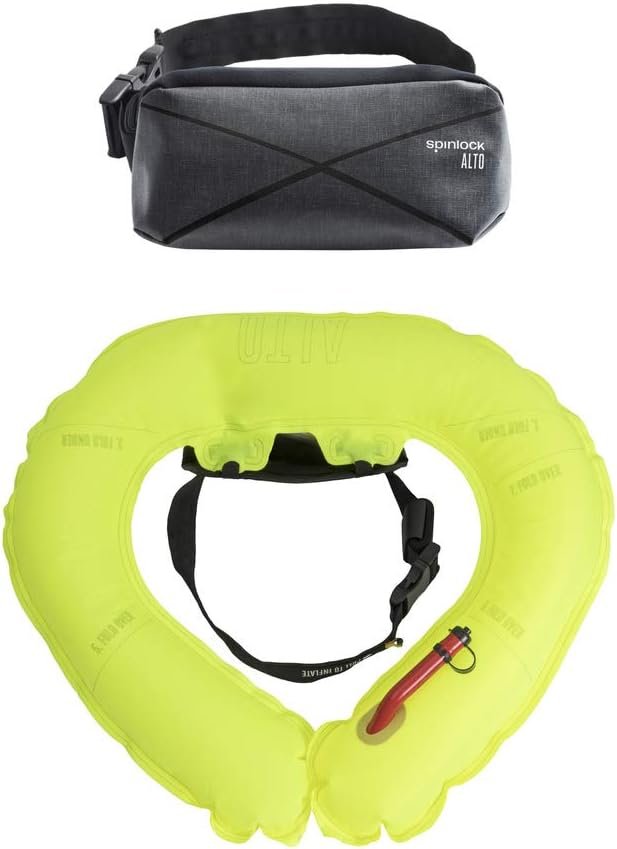
Spinlock ALTO Belt Pack (75N)
The honest problem with PFDs is that nobody wears the one that’s uncomfortable at 32°C — and an unworn PFD is decoration. The ALTO solves that by disappearing: it’s a manually inflated belt worn at the waist, 75N of buoyancy when you pull the cord, and it’s assembled by hand in Cowes. To be clear about what it is not — it won’t support an unconscious paddler and it isn’t intended for white water. For flat coastal paddling within sight of shore, it’s the device I actually keep on.
Look for — 75N, manual activation, and a rearm kit bought at the same time
Prefer a foam vest? Crewsaver Response 50N is the one I hand to beginners — no cartridge, nothing to activate, it just works · Typhoon Hudson 50N for a cheaper vest · ALTO in citrus yellow if visibility matters more than discretion
03 · Essential
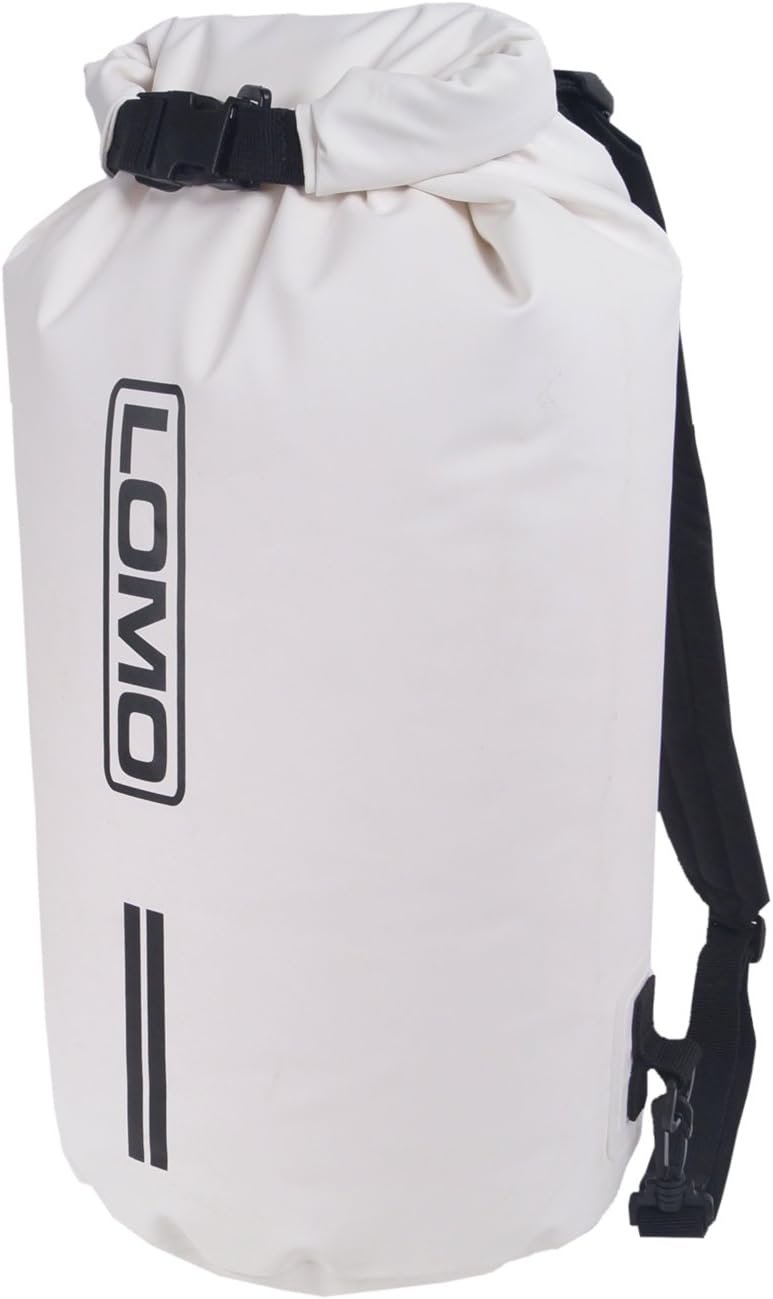
Lomo 20L Roll-Top Dry Bag
Twenty litres for a full day, ten for a two-hour session. The detail nobody mentions: roll the top three times minimum before you clip it, and clip it to the bungee cords rather than trusting it to sit on the deck. A dry bag loose on a board is a dry bag in the water the first time you fall. Lomo are a Glasgow watersports outfit rather than a fashion brand, which is exactly why the bag costs what it does and lasts as long as it does.
Look for — welded seams, a roll-top with a D-ring, and a light colour so you can find things inside it. I compared sizes and seam construction properly in my dry bag guide.
If you want the bag that outlives the board: Sea to Summit Big River 20L — reinforced oval base so it doesn’t roll around on the deck, daisy-chain lash points down the side
04 · Essential
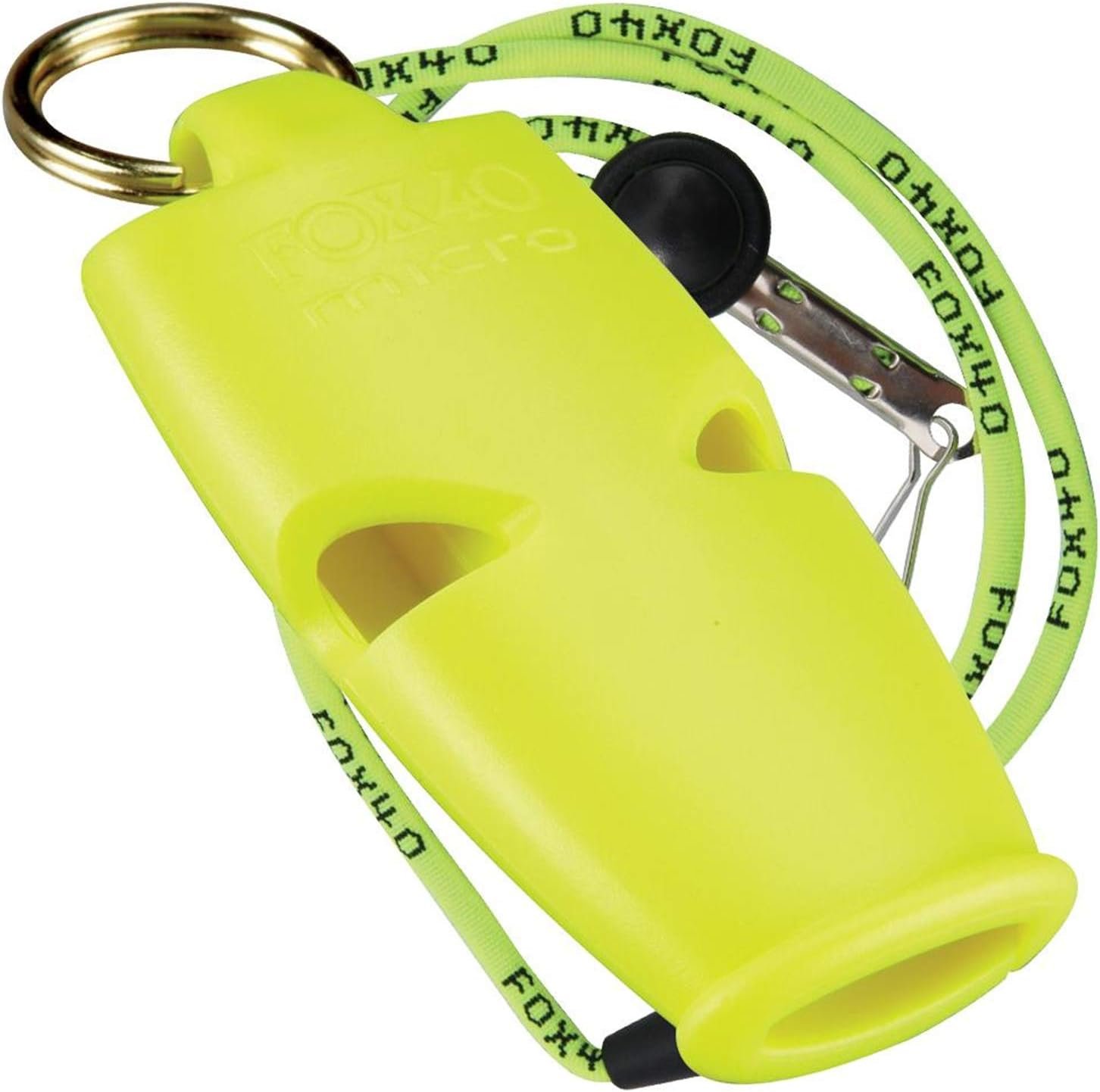
Fox 40 Micro Pealess Whistle
The cheapest safety item in this entire guide and the one most people skip. A whistle carries across water and into wind in a way that shouting simply does not. Fox 40 is what lifeguards and marine crews use, and the pealess design matters here specifically: there’s no cork pea to swell or seize, so it works soaking wet. Zip-tie it to your PFD once and never think about it again — a whistle in the bag is a whistle you don’t have.
Look for — pealess, high-visibility, on a breakaway lanyard
Group two
Where do you put your phone and keys on a paddleboard?
This is the question I get most often, and the wrong answer is a supermarket zip-lock bag. It works right up until it doesn’t, and the failure is total.
Phone, keys and time
Cheap items, expensive failures
05 · Essential
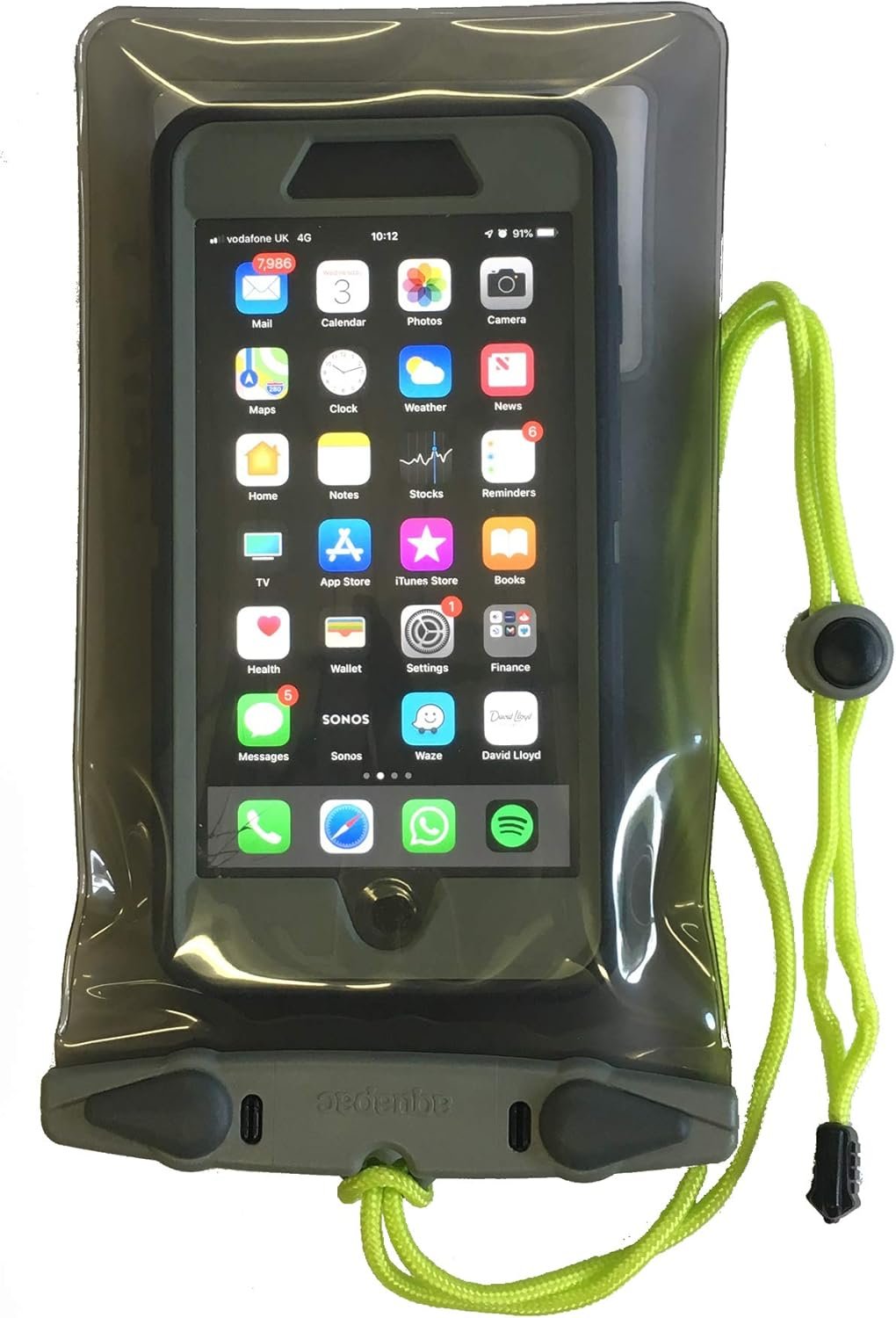
Aquapac Waterproof Phone Case
Your phone is your camera, your chart, your weather check and your call for help — which makes the case a safety item, not an accessory. Aquapac build theirs in the UK and have been doing it long enough that the roll-and-clip closure is genuinely trustworthy, which is not true of most of this category. Whatever you buy, test it empty, in a sink of water, for ten minutes before your phone ever goes inside. The lanyard goes round your neck or clipped to the PFD; a case in your pocket is a case you’ll lose.
Look for — fully submersible rating, touch-through window that works wet, a lanyard you can actually clip
Spending a fifth of the money: JOTO twin pack — buying two means one lives permanently in the car
06 · High priority
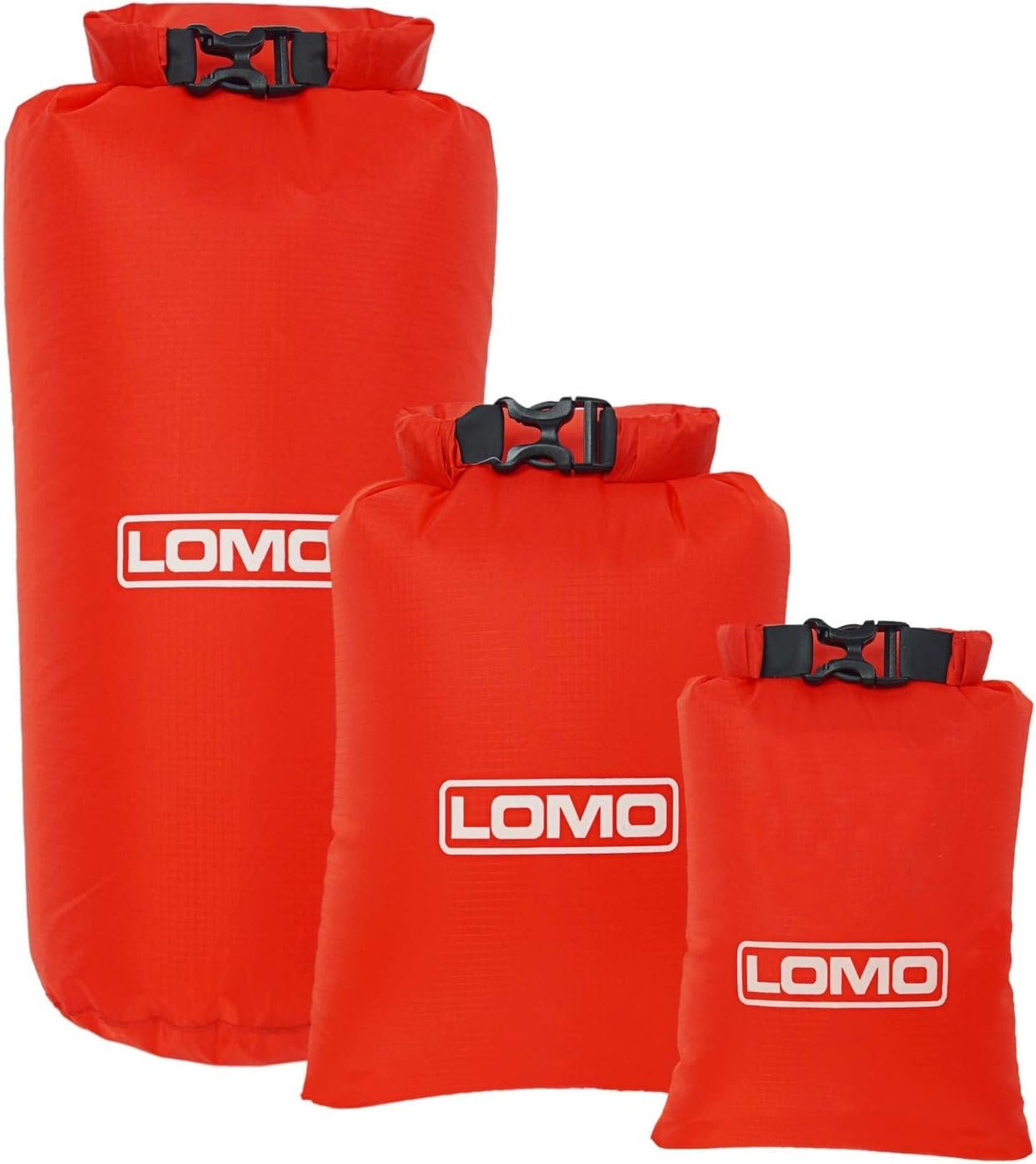
Lomo 3-Pack Small Dry Bags (8L / 6L / 3L)
A second, tiny dry bag inside the big one. It sounds fussy until you’re standing at the car at dusk emptying twenty litres of gear onto gravel looking for a key fob. Car keys, a bank card, some cash. Same pouch, same place, every session — that’s the whole system. Buying the three-pack rather than a single is the obvious move: the 3L becomes your key pouch, the 8L becomes wherever wet swimwear goes on the drive home.
Look for — 2–3L for keys, bright colour, roll-top rather than zip
07 · Medium
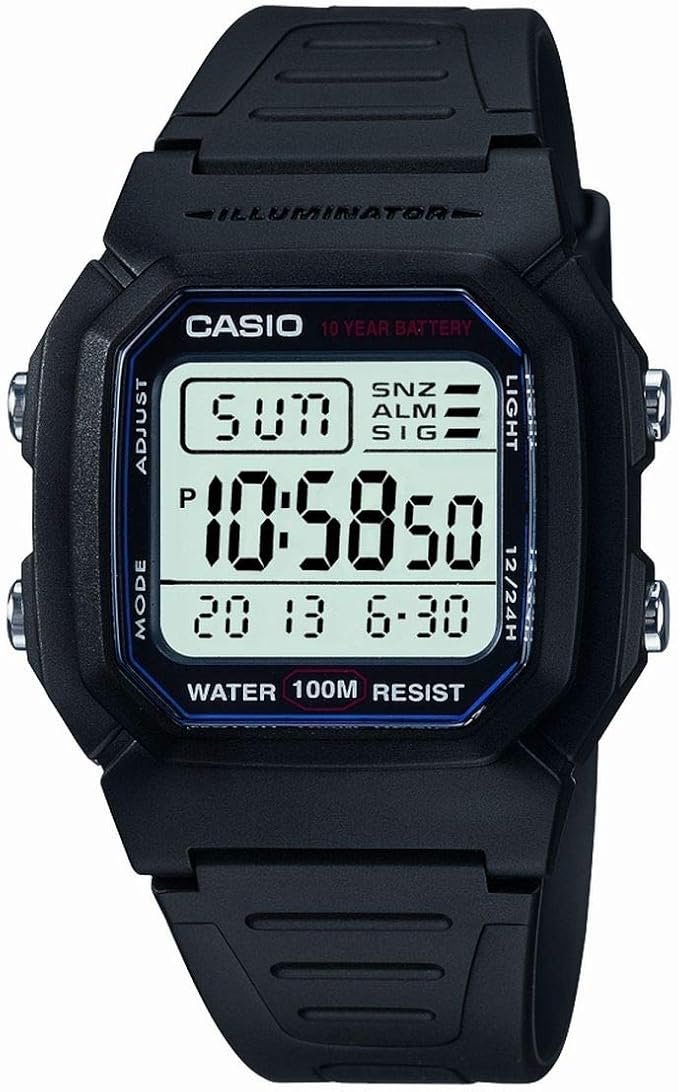
Casio W-800H
Not a vanity item. Wind tends to arrive on something close to a schedule, so knowing that it’s 11:20 rather than “probably still morning” is the difference between an easy return and a grind. Wearing the time on your wrist means you’re not opening a case to check it, which is exactly when phones get dropped. The W-800H is 100m rated, has a backlight, costs less than a tank of fuel, and I genuinely do not care if it gets scratched.
Look for — 100m rating minimum, backlight, resin strap that doesn’t hold salt. More options in my waterproof watches roundup.
If you want one watch for everything: Casio G-Shock DW-5600UE — 200m rated and effectively indestructible
Group three
How much sun protection and water do you actually need?
Sun and dehydration are the quiet performance killers. They don’t feel like an emergency; they feel like being unfit. Reflected light off the water means you are taking UV from above and below at the same time, on an overcast British afternoon as much as on a bright one, and the cooling effect of a breeze hides how much you’re sweating.
Sun, heat and hydration
The items you’ll regret skipping
08 · Essential
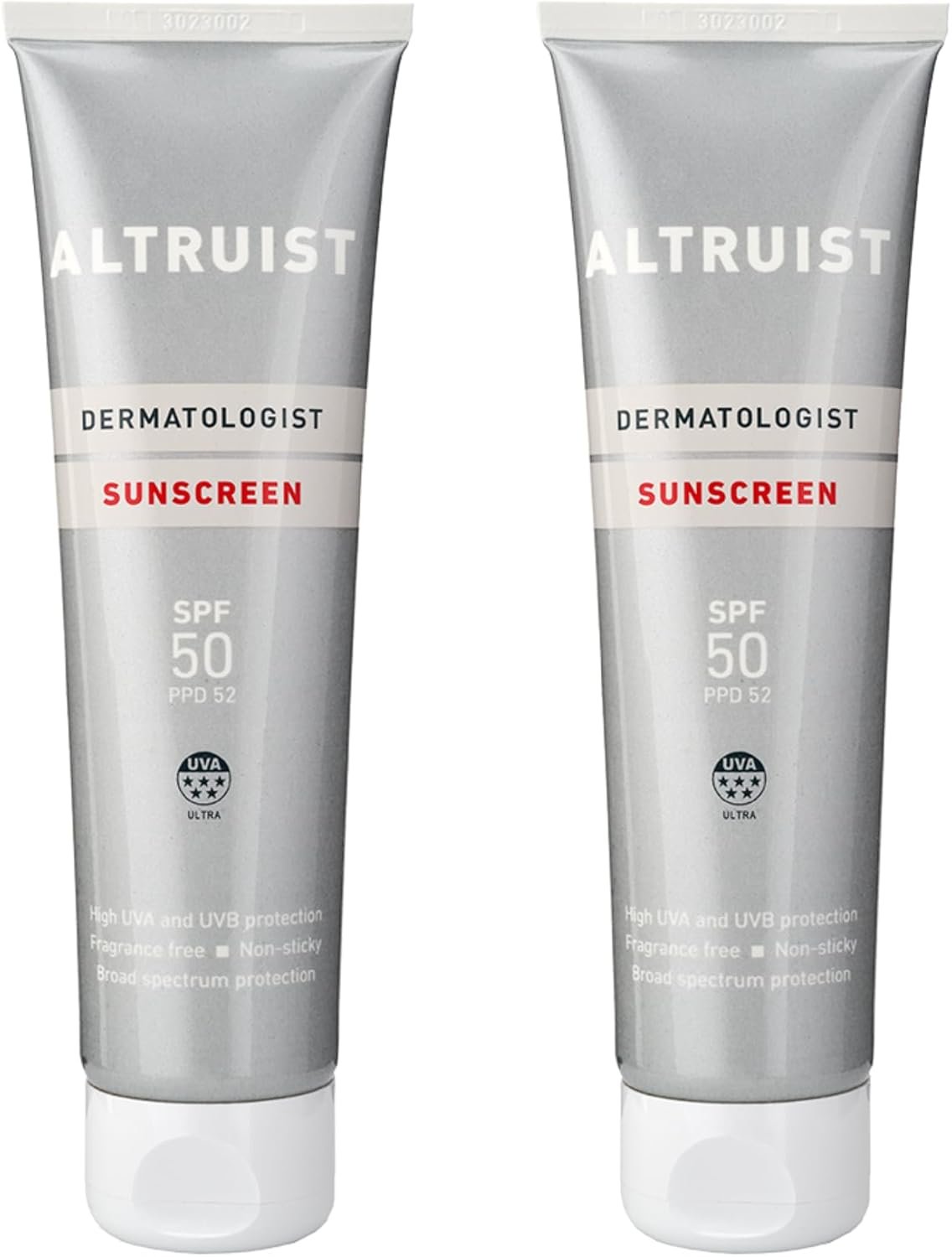
Altruist Dermatologist Sunscreen SPF 50
The sunscreen that matters is the one you’ll reapply mid-session, which means two things: it goes in the dry bag rather than the car, and it has to be cheap enough that you’re not rationing it. Altruist was founded by a UK dermatologist and sells in twin packs at a price that makes generous application feel normal. Pay particular attention to the tops of your feet, the backs of your knees and your ears — those are the paddler’s burn spots, and they’re all facing upward the entire time you’re standing.
Look for — SPF 50, water-resistant, a bottle small enough to carry on the board
If you want a genuine mineral filter for reef-sensitive water: Green People zinc oxide mineral SPF 30 — the trade-off is SPF 30 rather than 50, and a white cast
09 · High priority
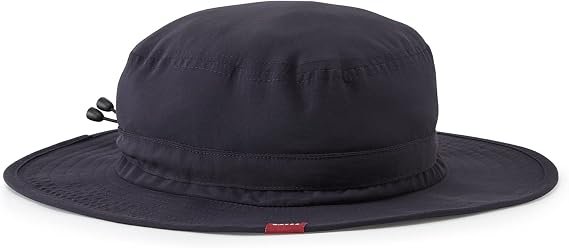
Gill Technical Marine Sun Hat
A hat without a cord is a gift to the sea, and chasing it is how beginners fall in. The cord is the entire point of the purchase. Gill make sailing kit, so the brim is stiff enough to hold shape in wind rather than folding over your eyes, and the underbrim is dark to cut glare coming off the water. A wide brim beats a cap for ear and neck coverage — but a cap you’ll actually wear beats a brim you leave in the car.
Look for — adjustable chin cord, UPF 50+, quick-dry fabric, dark underbrim
Lighter and less structured: Gill Verso Cap · Cheaper wide brim: Comhats UPF 50
10 · High priority
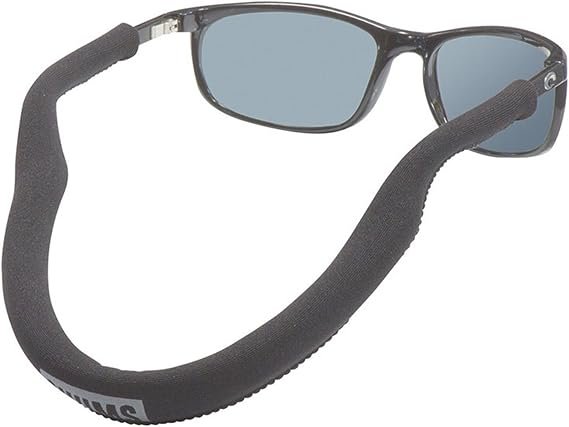
Chums Floating Neo Eyewear Retainer
Buy the retainer before you buy expensive sunglasses. Polarised lenses do real work out here — they cut the surface glare that hides chop, submerged rocks and swimmers you’re about to paddle over. But sunglasses without a buoyant retainer are a one-fall purchase. The Chums neoprene version floats the glasses rather than just tethering them, which is the distinction that matters when you come up and they’re already gone.
Look for — buoyant neoprene, not a thin cord; sized to your frame width
For larger frames: Chums Neo Megafloat · Slimmer fit: Chums Classic
11 · Essential
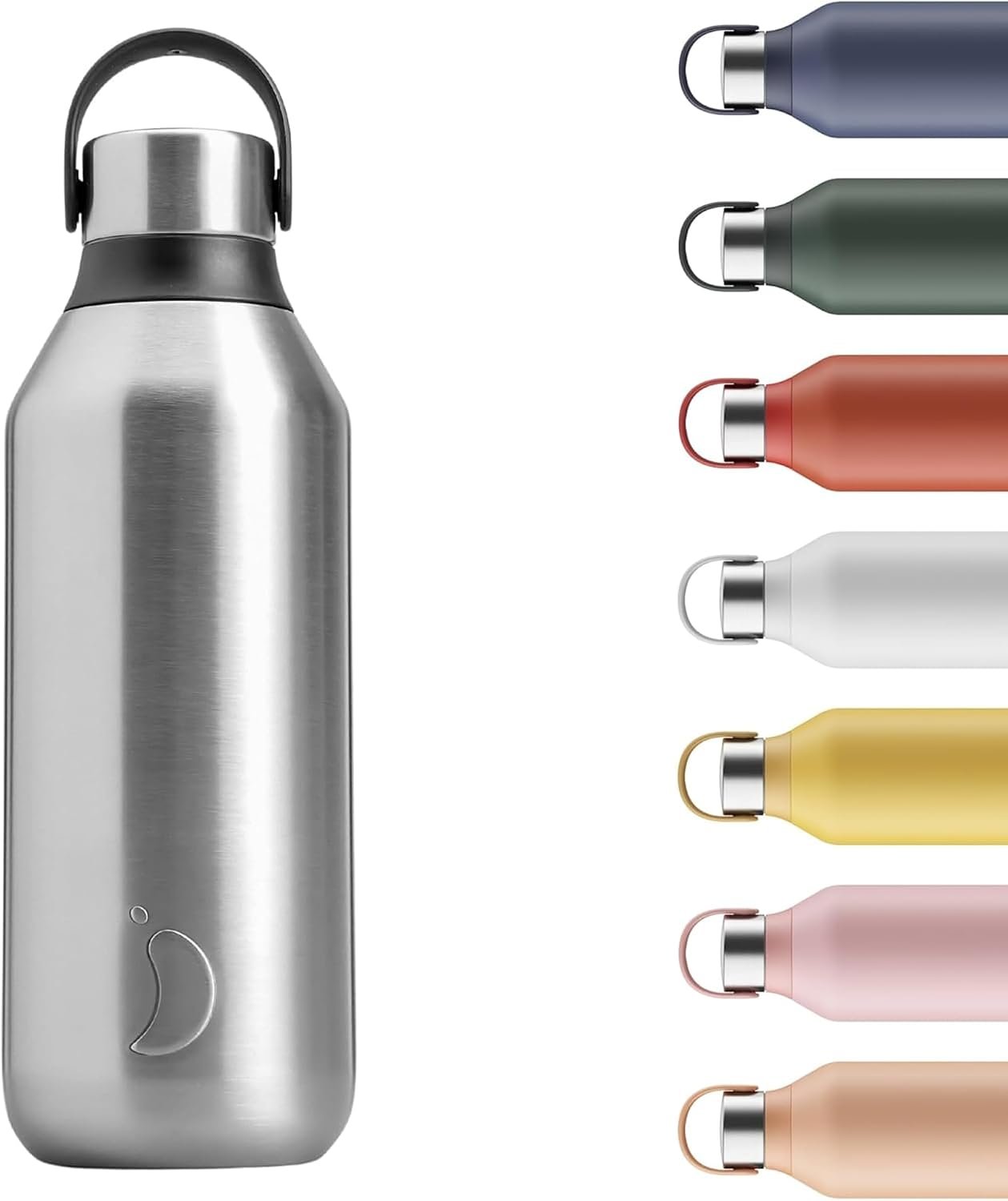
Chilly’s Series 2 Insulated Bottle
Here’s the reasoning that changed my kit: warm water is water you don’t drink. An insulated bottle isn’t a luxury, it’s a compliance device — cold water still tastes like something after two hours in the sun, so you actually finish it. One litre minimum for two hours in real heat, and it lives clipped under the bungee where you can reach it standing up. The 500ml is the one I take on short morning sessions; the 1L goes on anything longer.
Look for — double-walled steel, a lid you can open one-handed, a neck you can clip
Full-day size: Chilly’s Series 2 1L · Same job for much less: Iron Flask 32oz with three lids
12 · Medium
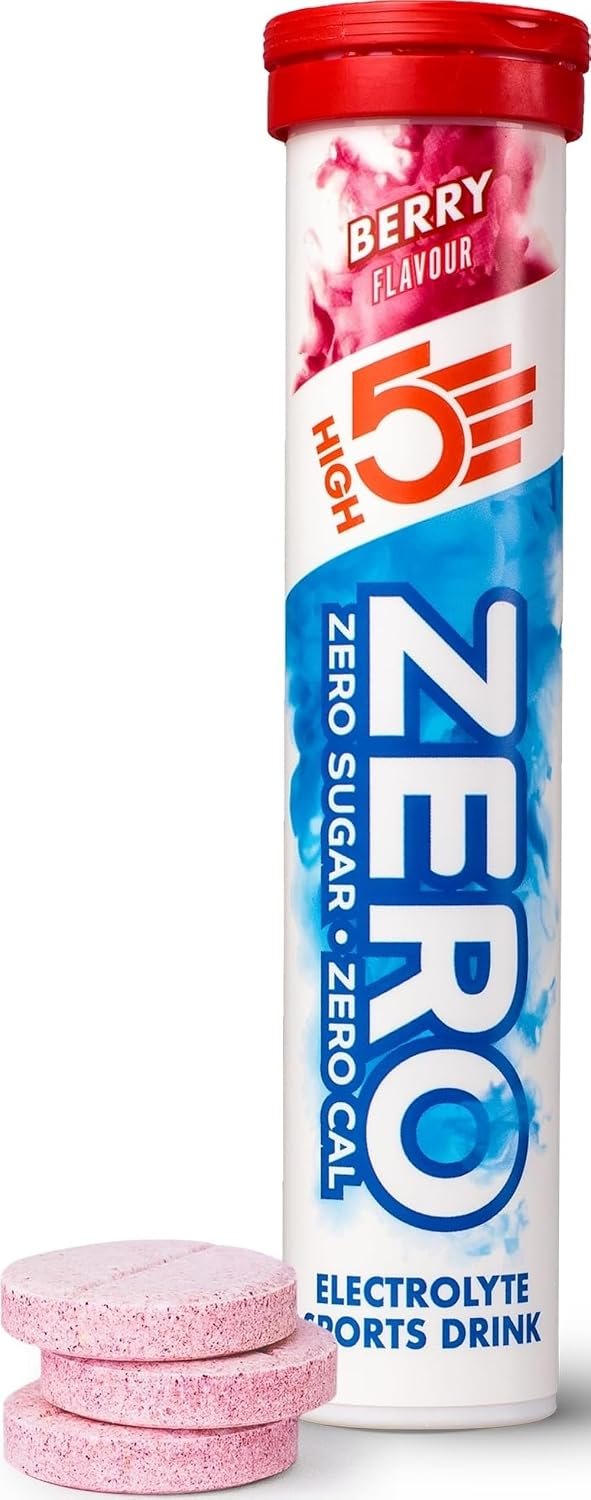
High5 Zero Electrolyte Tablets
You lose salt as well as water, and replacing only the water is how you end a session with a headache you blame on the sun. One tablet in the bottle on hot days. They weigh nothing, cost pennies per session, and the difference on the paddle home is noticeable enough that I stopped treating them as optional. The sealed tube matters more than it sounds — sachets burst in a dry bag and you find out three weeks later.
Look for — sugar-free, sealed tube, a flavour you don’t mind drinking warm
Paddling all summer: the three-tube neutral pack
Group four
What are the small items that save a whole day?
Comfort and insurance
Cheap now, expensive later
13 · High priority
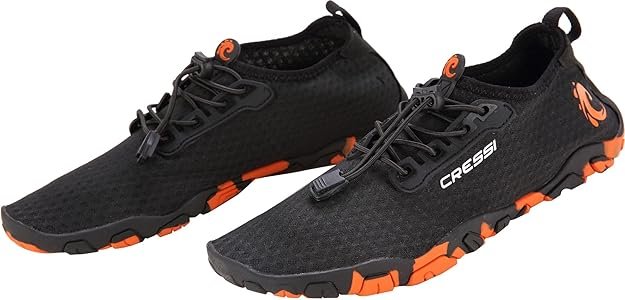
Cressi Molokai Water Shoes
Half the launch points worth paddling from are rock, shingle or slipway rather than sand — and in warm water, sea urchins live exactly where you would put your foot down. Thin-soled water shoes let you feel the board through them, which matters when you’re finding your balance. Cressi have been making dive kit since the 1940s, so the rubber holds up to salt rather than perishing by August. Take them off once you’re kneeling if you prefer bare feet on the deck pad; the point is getting in and out.
Look for — thin flexible sole, drainage holes, heel pull tab
Cheaper and still Cressi: Cressi Reef · Sock-style barefoot fit: SAGUARO
14 · Medium
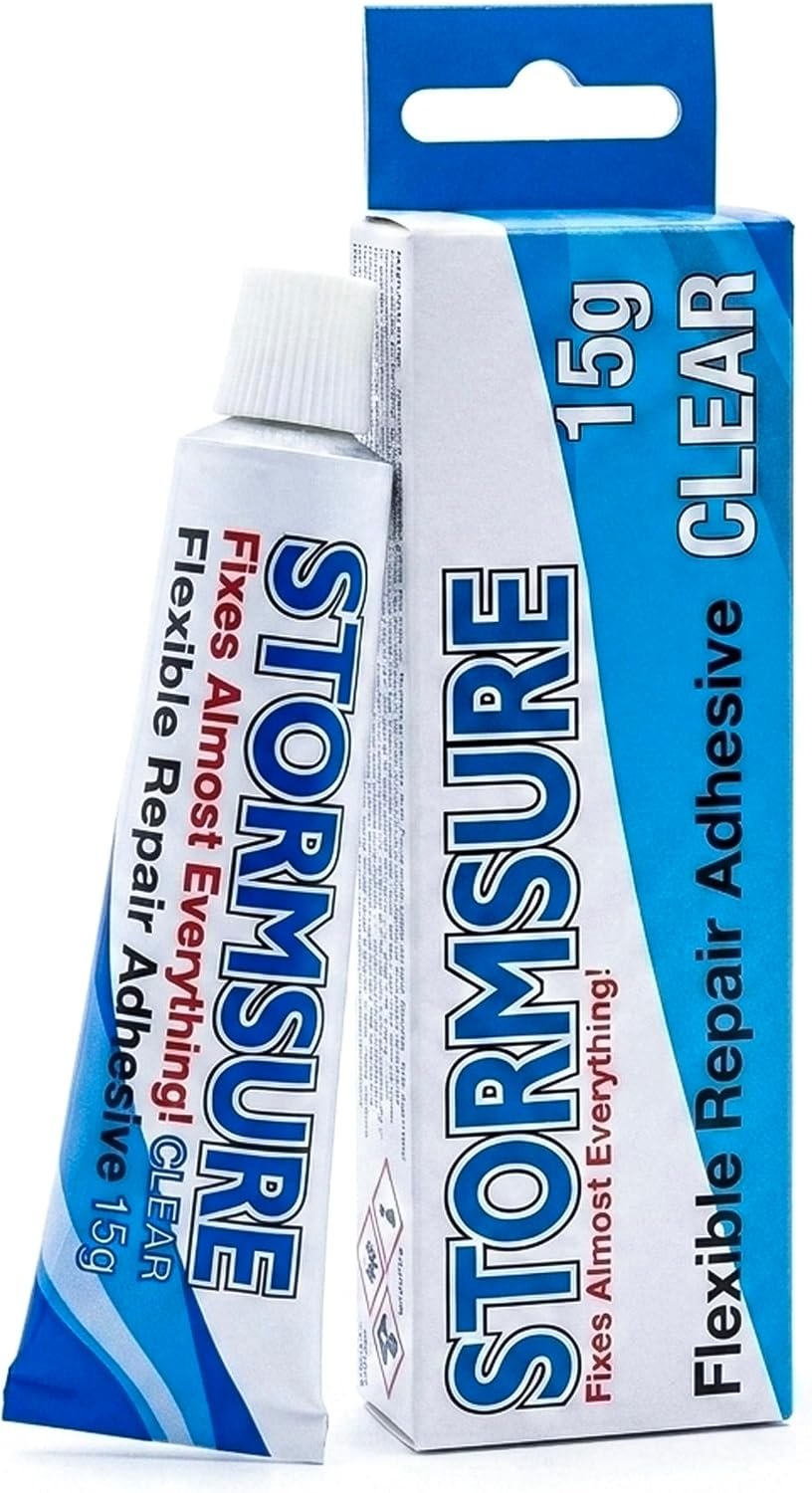
Stormsure Flexible Repair Adhesive
This is the item that separates people who’ve had a session cut short from people who haven’t. A slowly loosening valve on an inflatable feels like fatigue in your legs before you realise the board is going soft. Stormsure is a UK-made flexible adhesive that actually bonds to PVC and stays flexible when the board flexes, which ordinary superglue does not. One tube plus a valve wrench insures a whole summer. While you are checking the valve, it is worth knowing what pressure your board actually wants — I covered that in the SUP pump guide.
Look for — flexible PVC-compatible adhesive, plus a valve wrench that matches your board’s valve (most inflatables use the Halkey-Roberts standard, but check before you buy)
The other half of the kit: Halkey-Roberts valve wrench — weighs nothing, lives in the dry bag permanently
15 · Medium
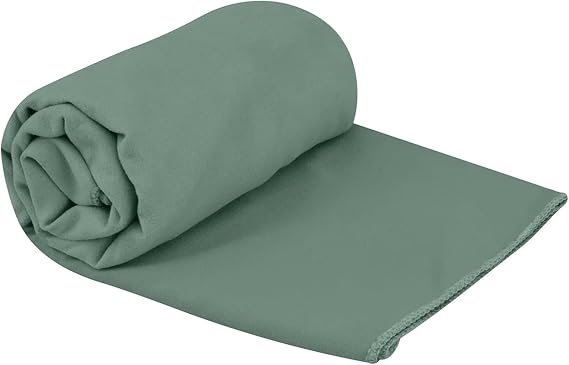
Sea to Summit DryLite Towel
A cotton beach towel is bulk and dead weight once it’s wet. A microfibre one packs down to the size of a fist, dries in minutes, and doesn’t turn the inside of your dry bag into a swamp on the drive home. Small change, disproportionate improvement. The DryLite comes with its own stuff sack and a corner loop, which is what stops it from becoming the loose damp thing at the bottom of the bag.
Look for — microfibre, its own stuff sack, corner hanging loop
Does the same job for less: Rainleaf microfibre towel
Honest subtraction
What did I stop bringing?
A packing list that only grows isn’t experience, it’s anxiety. These came out of my bag and stayed out:
The method
How do you pack a dry bag so nothing shifts?
Heaviest at the bottom, softest at the top
Water bottle and shoes go in first, towel and clothing last. The bag then sits flat on the deck instead of rolling, and a flat bag doesn’t move when you do.
Push the air out before you roll
An inflated dry bag is a buoyant, unstable lump on your deck. Squeeze the air out, then roll the top three times and clip.
Clip it forward, not behind you
Bags go under the nose bungee, ahead of your stance. Weight behind your feet lifts the nose, and a lifted nose catches wind like a sail.
Keep what you need in reach separate
Bottle, phone case and sun cream shouldn’t be sealed inside the main bag. Anything you’ll want mid-session goes under the bungee or in the small pouch, so you never open the big bag on the water.
Pack it the same way every time
This is the actual trick. When the layout is identical every session, you notice a missing item on the beach instead of discovering it a kilometre out.
Conditions
How does the list change for hot weather or cold water?
The fifteen items above are the constant. What changes is the margin around them, and it changes in opposite directions depending on where you paddle. Here is the honest split.
Warm, open coast
Holiday paddling, 25°C and up
Double the water, not the snacks. A litre for a two-hour session becomes 1.5–2L once air temperature is past 30°C, and an electrolyte tablet stops being optional. Launch early. Between 6:00 and 9:00 the water is glass and the wind has not organised itself yet; by midday a thermal breeze is usually established. Pack shade, not cover-up. A long-sleeve UV top worn on the water beats anything you plan to put on afterwards, because there is no shade on a paddleboard.
Cold water — UK lakes, reservoirs, estuaries
Where most of my readers actually paddle
The order of danger flips. In warm water your problem is the sun and the wind; in cold water it is the first sixty seconds after you fall in. Cold water shock takes your breath before it takes your strength, which is exactly why the leash and the buoyancy aid move from sensible to load-bearing — your board is the thing that keeps you at the surface while you get your breathing back.
Three additions rather than substitutions. A changing robe or an oversized towel poncho, because getting warm afterwards is part of the session. Neoprene gloves or booties from roughly October to May, since your hands quit before your arms do. And a fully charged phone in the case rather than a merely working one, because cold drains batteries fast and there is often nobody else on the water.
Later is better, not earlier. The advice inverts: on UK inland water the afternoon is often the calmer, warmer window, and there is no thermal wind cycle punishing you at midday.
I do most of my own paddling on warm open coast — the sheltered bays at Bencik Koyu, the shipwreck at Delikli Taş, the ruins at Soli Pompeiopolis — and that is where the wind lessons in this guide came from. But the kit list itself is climate-agnostic: the same fifteen items go in the bag whether the water is 26°C or 9°C. Only the layers change.
If that coast is somewhere you’re flying to rather than somewhere you live, the bigger question is whether to bring the board at all. I’ve worked through the airline rules and the rental options in my guide to taking a paddleboard to Turkey.
Before you go
The one-screen pack check
Tap each line as you load the car. Ten items, in the order they most often get forgotten. Nothing here is saved or sent anywhere — reload the page and it resets.
Interactive
Pack Check
Nothing ticked yet. Statistically, you are still in the car park.
That last line is the one I would tattoo on a paddle if I could. Check the forecast for your return, not your departure.
Two special cases
What changes if you are paddling with a dog or with kids?
Both add exactly one category to the bag rather than rewriting it. With a dog, the additions are fresh water plus a collapsible bowl, a canine buoyancy aid with a grab handle, and a towel that is allowed to be ruined — and you accept that your own dry bag now travels somewhere the dog is not standing. With children, the change is less about kit and more about margin: shorter sessions, closer to shore, and a rule that everyone wears their buoyancy aid from the car park rather than from the water. I have written both up properly in the SUP with your dog guide and the family paddleboarding guide.
FAQ
Questions I get asked about SUP kit
Do I really need a PFD if I’m a strong swimmer?
Yes, and swimming ability is close to irrelevant to the reason why. A PFD isn’t there for the moment you fall in — it’s there for the moment you’re tired, cold, separated from your board and still a few hundred metres from shore in wind. Strong swimmers get into that situation more often than weak ones, precisely because they go further out. Wear something you’ll tolerate in the heat rather than owning something perfect you leave in the car.
Can I just use a zip-lock bag for my phone?
It’ll work most of the time, and the failure mode is total. A proper submersible case comes with a lanyard so it can’t be dropped, and lets you use the touchscreen while it’s sealed. Test any case empty in a sink for ten minutes before you trust a phone to it — including a new one straight out of the packet.
How much water should I take for a two-hour paddle?
One litre as a floor in mild conditions, 1.5–2L in hot weather, plus an electrolyte tablet if it’s above 30°C. The reason to over-pack rather than ration is that dehydration presents as heavy arms and poor balance — it feels like bad technique, so people push harder instead of drinking.
Where does the dry bag actually go on the board?
Under the nose bungee cords, ahead of your stance, air squeezed out and lying flat. Weight behind your feet lifts the nose and the board starts catching wind. Never leave a bag loose on the deck — the first fall sends it swimming.
I’m buying kit for the first time. What order should I buy it in?
Leash, then buoyancy aid, then dry bag. That order covers separation from your board, exhaustion in open water, and keeping your phone and keys usable — in descending order of how likely each is to matter on your first ten sessions. A whistle costs almost nothing and can go in the same basket. Everything else on this list can wait for next month, or be borrowed.
Do I need different kit for the sea versus a lake?
The list is the same; the margins change. On sheltered inland water you can get away with less water and a thinner sun setup. On open coast, wind is the variable that decides your day, so the items that matter more are the leash, the buoyancy aid and the second litre of water. Salt also shortens the life of everything metal, which is why the swivels on a leash and the strap on a watch are worth paying attention to.
Related guides on mediterransup.com
- Best SUP boards for beginners— volume, width and PSI explained
- Best SUP life jackets and safety gear— vest versus belt pack
- Best SUP paddles for beginners— aluminium, fibreglass and carbon
- Best dry bags for SUP— sizing and seam construction
- Best waterproof watches for SUP— what a 100m rating really means
- The complete SUP pump guide— manual versus electric
- Best SUP boards for yoga— stability over speed
- How to fall and get back on safely— the safety skill this kit is built around
- All gear reviews— every guide in one place
- SUP routes and destinations— where this kit gets used
- Taking a paddleboard to Turkey— fly with yours or rent there
Everything in this guide is gear I use or have used on real water, not gear I read about. As an Amazon Associate I earn from qualifying purchases, at no extra cost to you — it helps keep the route guides on this site free. I don’t list prices here because they change constantly — check the current price on Amazon before you buy, and check sizing on anything you will wear. More about who is writing this and why on the about page, and the rest of the writing is in the blog.