
What to Wear Paddleboarding: The Complete Clothing Guide for Women and Men

What’s in this guide
- What to wear, by water temperature
- Why you dress for the water, not the air
- The layers: what women and men each need
- The kit that’s the same for everyone
- What you actually lose when you fall in
- The three places paddlers actually get burned
- What to wear paddleboarding in cold weather
- What not to wear paddleboarding
- What to wear on the Turkish Riviera, month by month
- The 60-second pre-launch checklist
- Frequently asked questions
A note on scope: this guide covers what goes on your body. For what goes in your bag — whistle, water, snacks, spare layer — see our separate SUP packing checklist.
What Should You Wear Paddleboarding?
Almost every “what to wear paddleboarding” list is written around the weather forecast. That’s the wrong input. The forecast tells you how you’ll feel standing on the board. It tells you nothing about how you’ll feel in the ninety seconds after you fall off it — and beginners fall off, regularly and without warning.
So start here instead:
| Water temperature | What to wear | Risk if underdressed |
|---|---|---|
| 22 °C+ (72 °F+) | Swimwear + UPF 50+ rash guard + board shorts. Bare feet or water shoes. | Low — the real risk here is sun, not cold |
| 18–22 °C (64–72 °F) | Add a neoprene top or 2 mm shorty wetsuit. Neoprene booties. | Moderate — repeated falls will chill you |
| 13–18 °C (55–64 °F) | 3/2 mm full wetsuit + windproof outer layer. Booties and gloves. | High — hands lose grip and dexterity fast |
| Below 13 °C (55 °F) | Drysuit over a thermal base layer. No exceptions, no “quick paddle.” | Severe — cold water shock is an immediate danger |
If you want one number to remember, use the paddling world’s rule of 120: add air temperature and water temperature together in Fahrenheit. Under 120 °F, wear a wetsuit. In Celsius the equivalent threshold is roughly 49 °C combined. A 24 °C air day over 18 °C water comes to 42 — that’s wetsuit territory, however good the sunshine looks from the car park.
Why Do You Dress for the Water and Not the Air?
Water pulls heat from your body many times faster than air at the same temperature. That’s the physics. The practical consequence is that a 20 °C swim and a 20 °C walk are completely different events for your core temperature.
There’s a second reason, and it’s the one that catches out confident swimmers. Below about 15 °C, sudden immersion triggers cold water shock — an involuntary gasp followed by hyperventilation that can last up to a minute. It doesn’t care how fit you are, and it happens before you’ve decided anything. The standard advice for that first minute is to float on your back and let it pass. Being dressed for the water is what buys you the calm to actually do that.
The mindset shift
Stop asking “what’s the weather like?” and start asking “what happens if I’m in the water for ten minutes?” That single reframe fixes most beginner clothing mistakes on its own.
What Should Women and Men Wear Paddleboarding?
Most of a paddling outfit is identical regardless of who’s wearing it. Only the two clothing layers genuinely differ — the base layer and the top — and they differ for practical reasons rather than styling ones. Here’s how I’d build each.
What should women wear paddleboarding?
The base layer matters more here than most guides admit. A paddleboard session involves lying on your stomach to mount, kneeling, standing, and falling — four positions that beach swimwear has never been asked to handle. A sports-cut swimsuit that stays put is the difference between paddling and constantly adjusting.
Two features worth looking for on the top layer that generic sun shirts don’t have: a front zip, because on a warm day you’ll want it half open on the way out and fully closed once the sun climbs; and a built-in shelf bra or removable cups, so you’re not layering three things under a PFD strap.
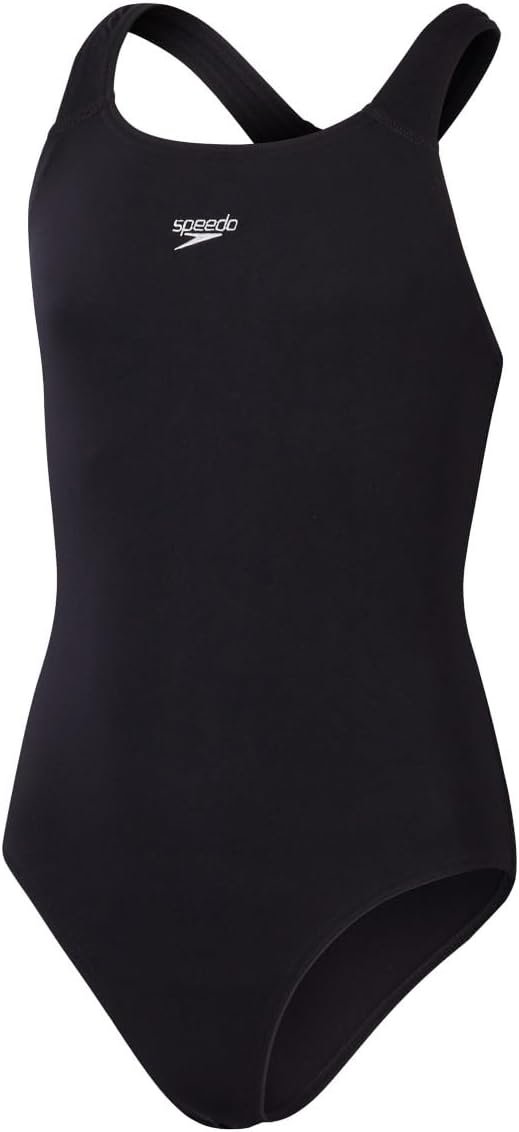
Speedo Women’s Endurance+ Medalist Swimsuit
A racing-cut one-piece is the most reliable base layer you can own for paddling: the strap crosses at the back, so nothing shifts when you push up from your knees, and the fabric is built to survive chlorine and salt rather than one holiday. It’s not the glamorous choice. It’s the one you stop thinking about after five minutes, which on the water is the entire point.
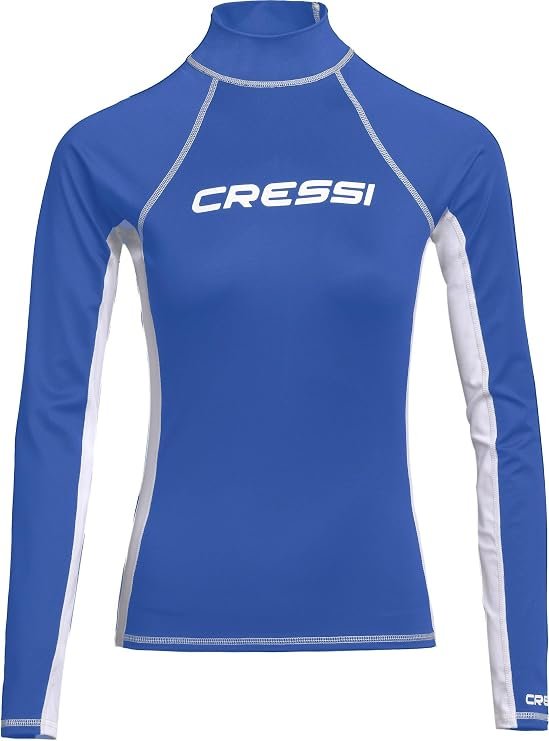
Cressi Women’s Lycra Skin Long-Sleeve Rash Guard
Long sleeves are the single biggest comfort upgrade for warm-weather paddling, and it surprises people who assume covering up means overheating. It doesn’t: UPF fabric is thin, wet and moving in the breeze, so it runs cooler than bare skin taking direct sun. It also takes the constant sunscreen re-application out of a two-hour session. Cressi build these for diving rather than for the beach, which shows in the flatlock seams — the detail that decides whether a PFD strap chafes over three hours.
What should men wear paddleboarding?
Simpler kit, same logic. Swim shorts as the base, a UPF long sleeve over the top, and the one thing men consistently get wrong: paddling in a t-shirt or with no top at all, then discovering that shoulders and the backs of the arms take a full session of sun from two directions at once.
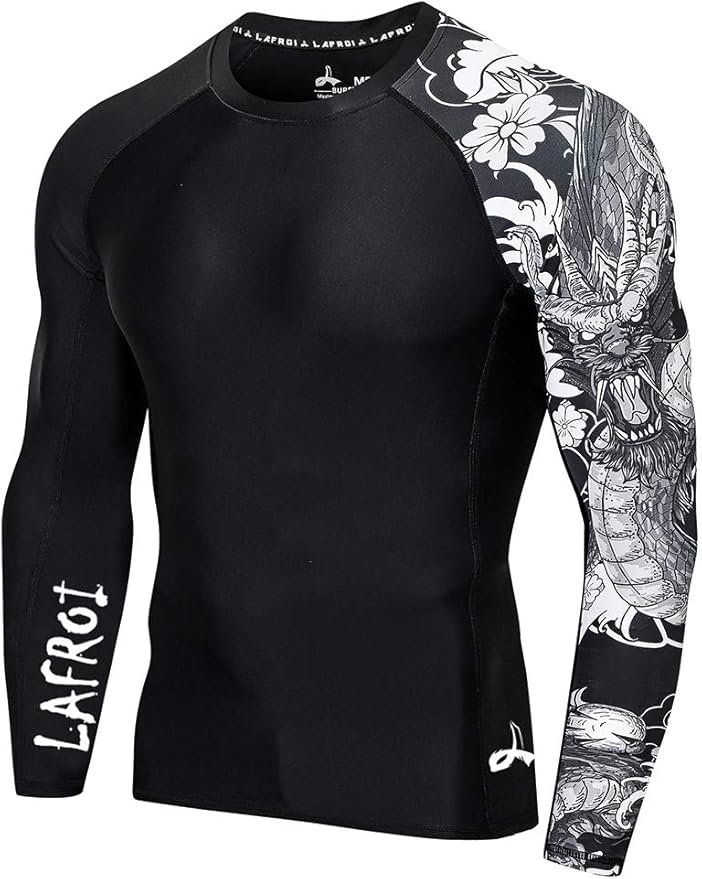
LAFROI Men’s UPF 50+ Baselayer Rash Guard
A compression-fit long sleeve does three jobs at once: blocks UV, stops PFD strap chafe, and dries almost immediately after a fall. The compression cut matters more than it sounds — a loose shirt fills with water when you go in, and you’ll feel that drag on every stroke afterwards.
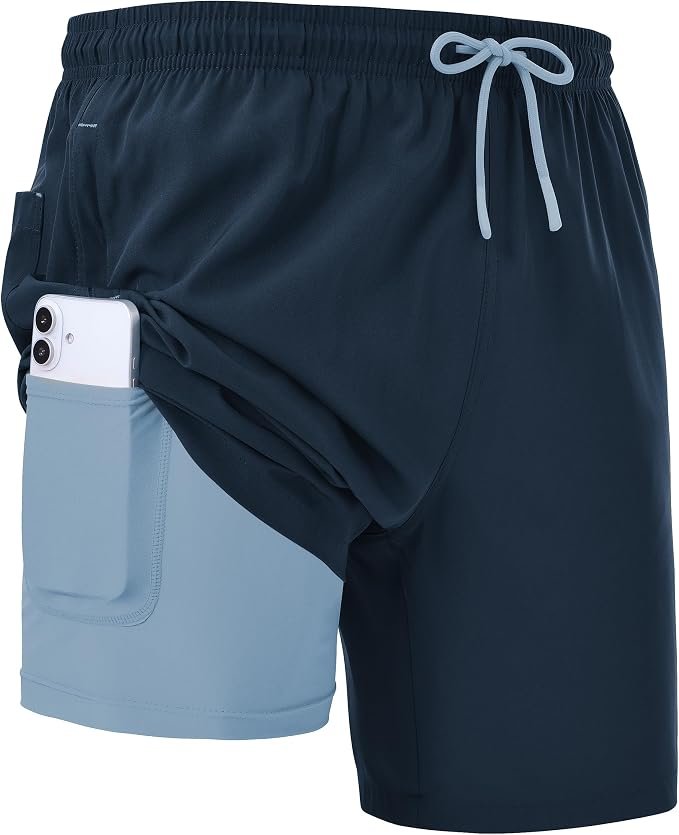
2-in-1 Quick-Dry Board Shorts
Board shorts beat swim trunks with a mesh liner, and the 2-in-1 design solves the specific problem of kneeling on a deck pad in wet shorts. What to check: a flat drawstring that doesn’t dig in when you kneel, a length that clears the knee for the mount, and a zipped pocket — you’ll never keep a phone in it, but you will keep a car key.
If you only buy one thing
Buy the long-sleeve UPF top. Not the shorts, not the shoes, not the sunglasses. It’s the item that changes how a three-hour session feels, and it’s the one most people skip because it looks like it would be hot. It isn’t.
What Else Do You Need to Wear on a Paddleboard?
Everything from here down is the same regardless of who’s wearing it. Six items, and none of them are optional-but-nice — each solves a problem that ruins sessions.
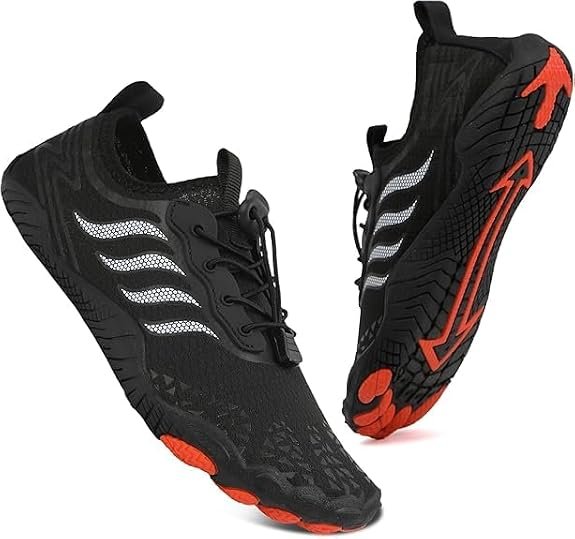
Hanani Water Shoes
Barefoot gives the best feel on the deck pad — but you reach the deck pad by walking across whatever the shoreline is made of, and on the Mediterranean that’s usually sharp rock and sea urchins rather than sand. You want fast drainage, grip on wet stone, and a sole thick enough that you stop looking down. Slip-on styles stay on in a fall; laces are a fiddle you don’t need.
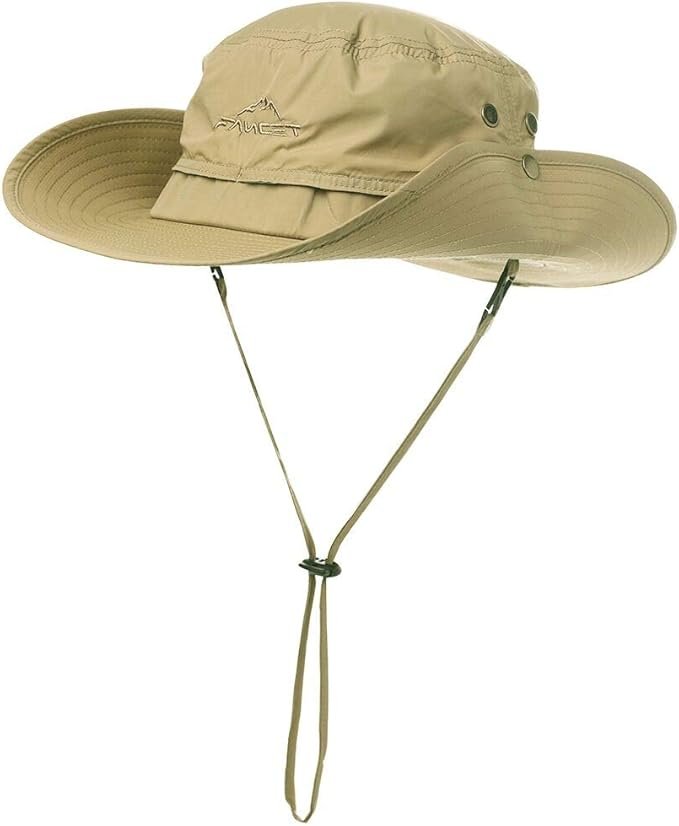
Comhats UPF 50 Wide-Brim Boonie Hat
Here’s the detail that separates people who’ve paddled from people who’ve written about paddling: a hat without a chin strap is a donation to the sea. The wind that makes paddling interesting is exactly the wind that takes your hat, and turning a board around to chase it is a beginner’s least favourite manoeuvre. A boonie shape covers face, ears and the back of the neck in one item, and the mesh panel stops the crown turning into an oven at midday.
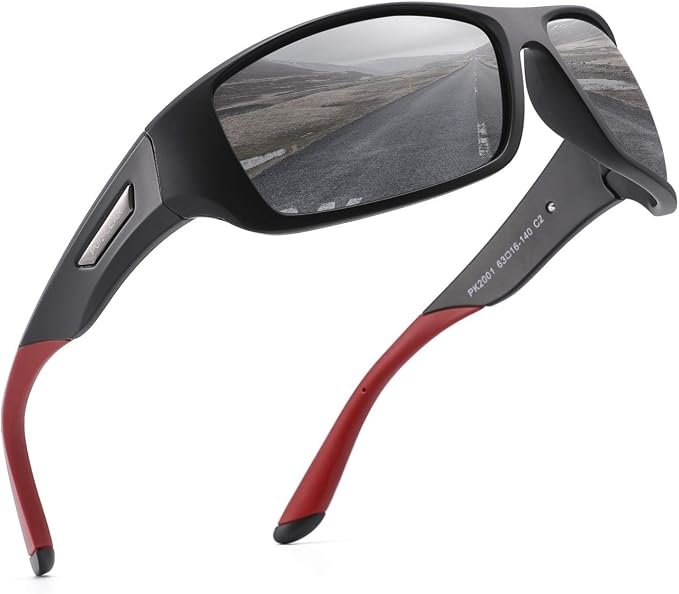
Polarised Sports Sunglasses (UV400)
Polarised lenses cut surface glare, and cutting glare isn’t a comfort feature — it’s how you read the water ahead, spot the rock under the surface and see the wind line coming across the bay. Category 3 is the right tint for open water. But read the fall section below before you buy. I don’t think a first-time paddler should take sunglasses onto a board at all, and I’d rather say that than sell you a pair you’ll lose in week one.
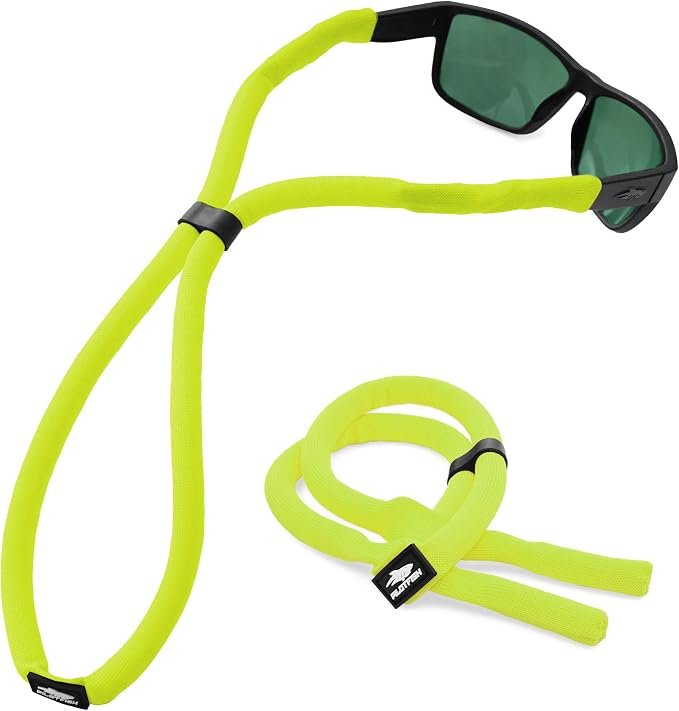
Pilotfish Floating Sunglasses Strap
If you do bring sunglasses, buy this at the same time — not after you’ve lost a pair. Neoprene floats, so glasses that come off in a fall sit on the surface instead of going straight to the bottom, and a bright colour makes them findable. It improves your odds. It doesn’t guarantee anything, for reasons I go into below.
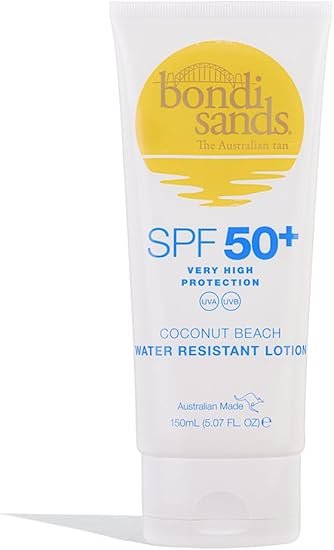
Bondi Sands SPF 50+ Water-Resistant Lotion
Water resistance is the spec that matters, and four hours is the top tier of what’s available. Apply twenty minutes before you launch rather than on the beach at the last second, and accept that your hands and forearms lose it first — the paddle shaft takes it straight off. The rest of the sunscreen conversation is in the next section, because where you apply it matters as much as what you buy.
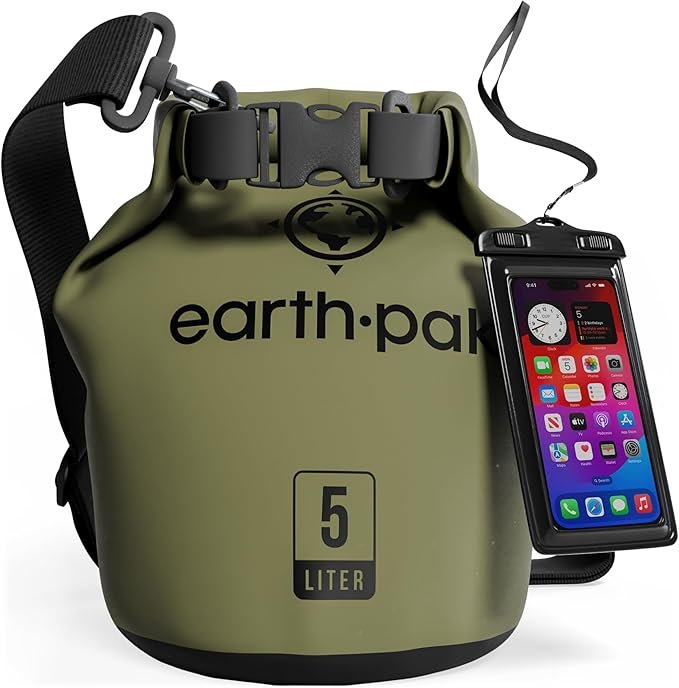
Earth Pak Roll-Top Dry Bag + Phone Case
Not clothing, but part of the outfit in practice: your phone is your emergency communication, and on open water that matters more than the photos. The bag clips to the deck bungee for your keys, towel and spare layer; the phone case goes on a lanyard around your neck so it’s on you, not on the board you might get separated from. That distinction is the whole reason it’s on this list.
Go deeper on the individual pieces
- What to pack for paddleboarding — the 15 things that go in the bag, not on your body
- Best dry bags for SUP 2026 — sizes, seals and why yours leaks
- Best SUP life jackets and safety gear — the one item that isn’t a style choice
- Best waterproof watches for SUP — if you want time and distance on your wrist
- Best SUP boards for beginners — volume, width and the cheap board trap
What Do You Actually Lose When You Fall In?
Every clothing guide tells you that you’ll fall. Almost none of them tell you what that fall does to the things you’re wearing — and that’s the part I’d want to know before buying anything.
A SUP fall isn’t a gentle slide into the water. You usually go off the front or the side at speed, face first, and the water hits your head before any other part of you. Whatever was on your head or your face has, at that moment, about half a second of contact with a wall of water. It comes off. That’s not a design failure of your hat — it’s physics.
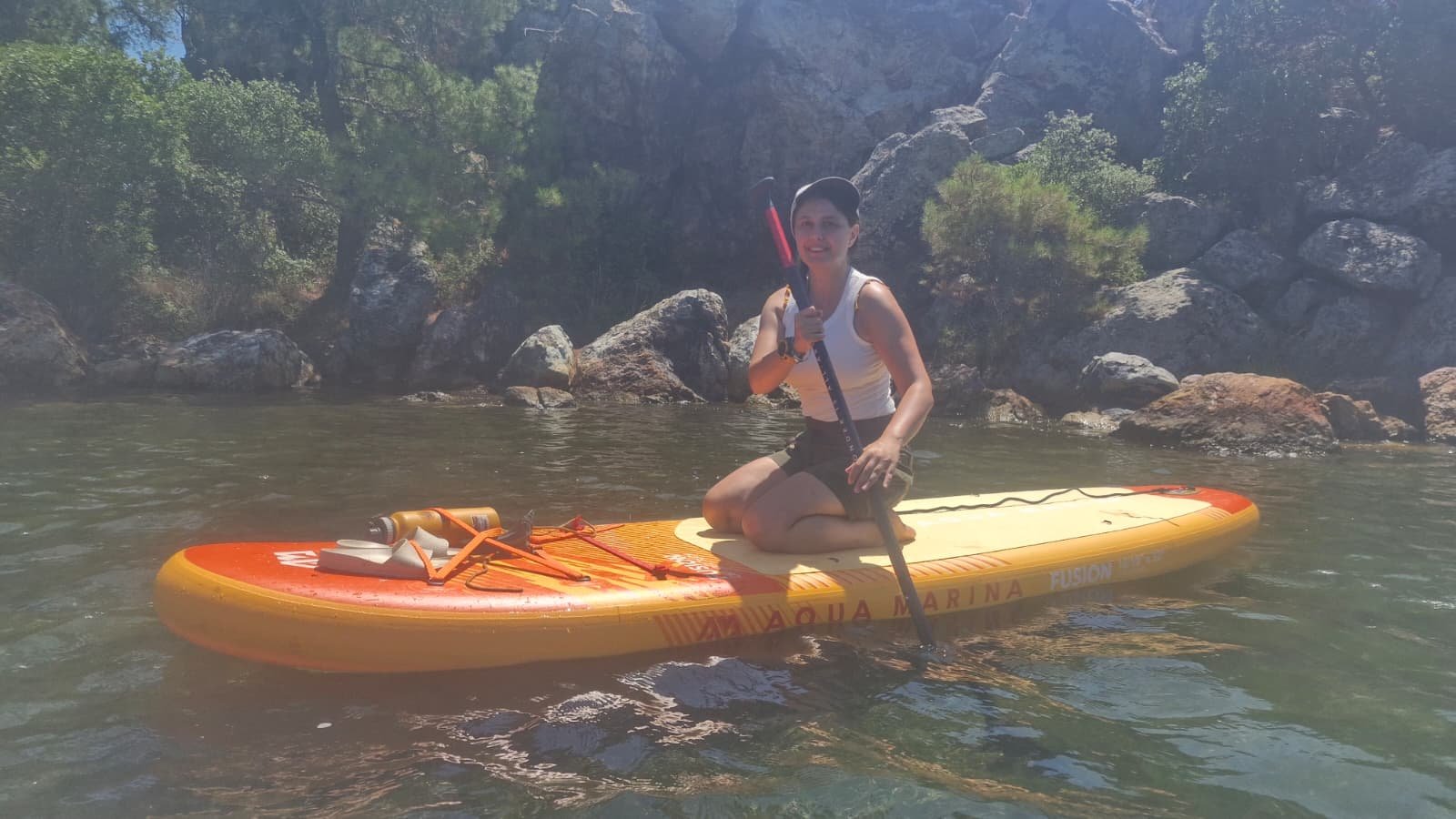
Your hat: tie it to your clothing, not around your neck
A chin strap keeps the hat attached to you, which is why it’s on the list above. But watch what actually happens: the hat leaves your head and the cord slides down, and now you’re swimming back to your board with a hat around your throat. On a windy day it’s also perfectly capable of slipping off over your chin entirely.
The fix takes ten seconds and no money. Run the cord through your rash guard zip pull, or clip it to a swimsuit strap, so the hat is tethered to your body rather than to your neck. Then it can come off your head and stay with you, which is the only outcome that matters.
Your sunglasses: honestly, leave them on shore at first
This is the part where I disagree with most gear lists. Yes, polarised lenses genuinely help you read water. Yes, a floating retainer is better than no retainer. But a retainer holds glasses to the strap — it does not hold glasses to your face, and a hard fall pulls them off anyway. Once they’re in the water you have three problems at once: you’re separated from your board, the wind is moving the glasses across the surface, and you’re trying to swim after both.
A bright orange floating cord is a great idea, and I use one. But it only solves the problem of finding them. If they slip out of the cord and sink, you need to be comfortable free-diving to get them back — and if you’re not, a bright cord has bought you nothing except a clear view of where your sunglasses went.
My actual recommendation
For your first few sessions, don’t take sunglasses onto the board. Wear the hat, wear the sunscreen, and leave the glasses in the car. Add them once you can paddle for an hour without falling — at that point they’re a real upgrade rather than a thing you’re anxious about. If you need prescription lenses to see safely, that’s a different situation: bring the oldest pair you own, on a floating cord, and accept the risk.
Learn one knot and carry one carabiner
Once you accept that everything you bring will eventually be in the water, the question becomes how things stay attached to the board. Two pieces of kit handle almost all of it:
A carabiner for anything you clip and unclip
Dry bag to the deck bungee, water bottle, hat cord, shoes when you’re not wearing them. A cheap plastic or aluminium clip is fine here — nothing on a paddleboard is load-bearing in the climbing sense. What you want is something you can operate one-handed while kneeling on a moving board.
A bowline for anything that stays tied
Learn one knot and make it the bowline. It creates a fixed loop that won’t slip tighter under load, and — this is the part that matters on the water — it unties easily even after being pulled hard and soaked in salt water. The knot most people tie instinctively does the opposite: it welds itself shut when wet and loaded, and then you’re picking at it with cold fingers. Ten minutes of practice on the sofa, and you have it for life.
None of this is advanced watersports knowledge. It’s just the difference between kit that comes home with you and kit that becomes a story about the day you lost your sunglasses.
The Three Places Paddlers Actually Get Burned
Sunburn on a paddleboard doesn’t happen where it happens on a beach. On a lounger you burn what faces the sky. On a board you burn what faces the sky and what faces the water, because a bright sea throws a meaningful share of UV straight back up at you — commonly cited figures put reflected UV off a water surface at up to around a quarter of what’s coming down.
That reflection creates three blind spots that almost nobody covers, and I’ve watched every one of them ruin someone’s second day:
The tops of your feet
Bare feet on a deck pad, pointing at the sun, for three hours. Nothing else on your body gets that much continuous exposure at that angle, and nobody thinks to put sunscreen there. Burnt feet also mean you can’t put shoes on the next day, which quietly ends the trip.
The backs of your hands
They’re wet, they’re on the paddle, and the paddle shaft wipes sunscreen off them within the first twenty minutes. This is the one spot where reapplying genuinely matters more than what you bought — or where a pair of paddling gloves earns its place on long days.
Under your chin and nose
Pure reflected light, from below, which is exactly the angle a hat brim can’t help with. If you finish a session with a sunburn that makes no sense to you, this is it. Sunscreen under the jaw, under the nose, and on the underside of the ears.
None of this is exotic advice. It’s just that every sun-protection guide is written for people lying flat, and a paddler is a vertical body standing on a mirror.
What Do You Wear Paddleboarding in Cold Weather?
Off-season paddling is quieter, glassier and often the best light of the year. It’s also where clothing stops being about comfort and starts being about safety margin. Here’s how neoprene thickness maps to water temperature:
| Water temp | Suit | Add to it |
|---|---|---|
| 18–22 °C | 2 mm shorty or neoprene top | Booties if the shoreline is rocky |
| 15–18 °C | 3/2 mm full wetsuit | 3 mm booties, windproof gilet on top |
| 11–15 °C | 4/3 mm full wetsuit | Booties, gloves, neoprene hood or beanie |
| Below 11 °C | Drysuit + thermal base layer | Never paddle alone; tell someone your plan |
Three rules that matter more than the suit itself
- Layer over the neoprene, not under it. A wetsuit works by trapping a thin film of water against your skin, and a base layer underneath breaks that. Extra warmth goes on top — a windproof gilet or paddling jacket — because on cold days it’s wind chill on wet neoprene that gets you, not the water.
- Protect hands before you protect your head. Cold hands lose grip strength and fine motor control long before you feel properly cold. If you can’t work a leash release or a zip, you’ve lost more than comfort.
- Pack the dry clothes before you pack the board. A changing robe and a dry set waiting in the car is how you avoid the shivering half hour that puts people off winter paddling permanently.
What Should You Not Wear Paddleboarding?
Most bad first sessions aren’t caused by missing gear. They’re caused by wearing the wrong thing you already owned.
What to Wear Paddleboarding on the Turkish Riviera
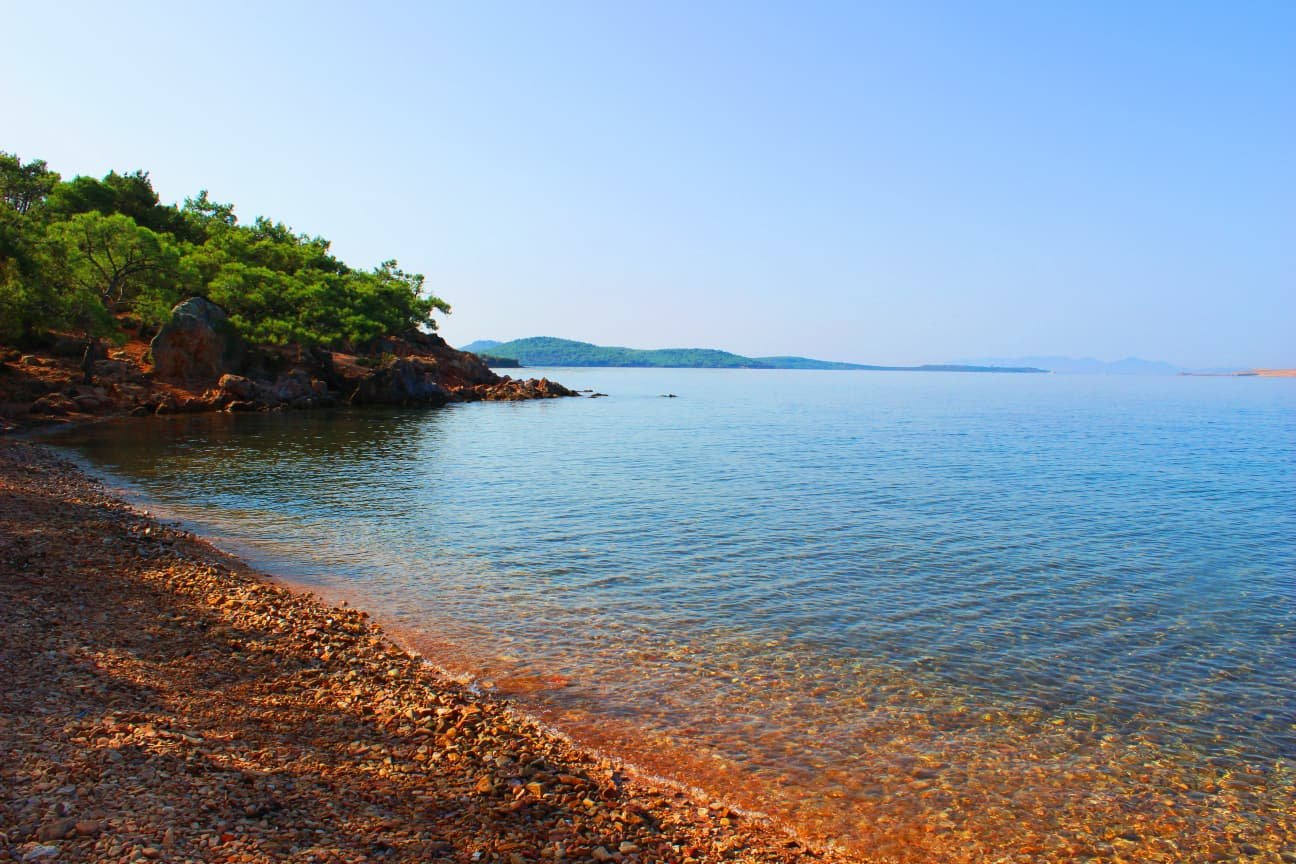
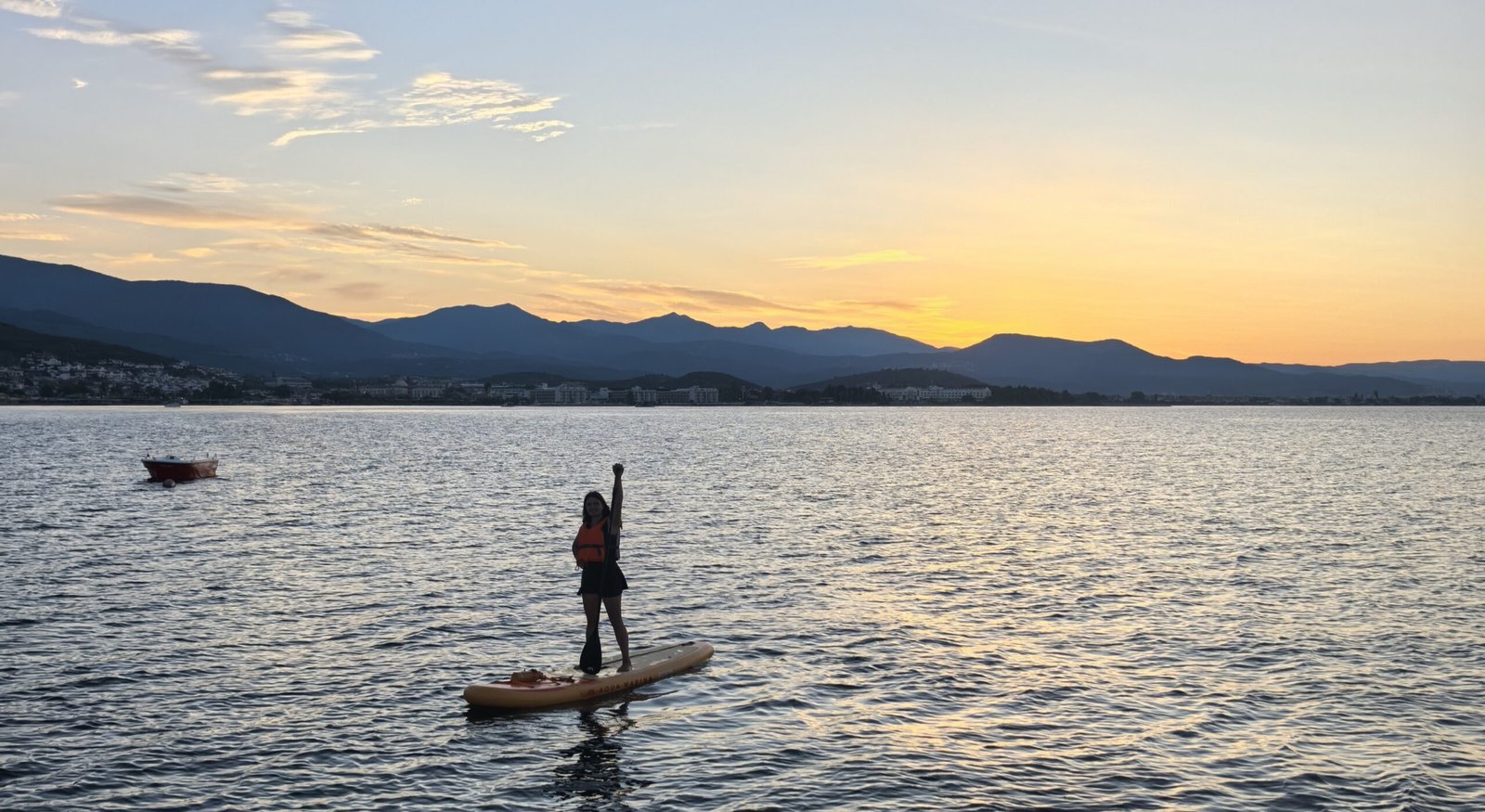
If you’re paddling the Aegean or the Turkish Mediterranean — Fethiye, Göcek, Datça, Bodrum, Ayvalık — the clothing question has a specific local answer, because the water here stays warm long after visitors assume the season is over.
| Month | Typical sea temp | What I paddle in |
|---|---|---|
| May | ~19–20 °C | Rash guard + shorty on cooler mornings |
| June | ~23 °C | Rash guard + board shorts |
| July–August | ~26–27 °C | Rash guard + board shorts; full sun kit non-negotiable |
| September | ~26 °C | Same as summer — the best month of the year here |
| October | ~23 °C | Rash guard; shorty for longer sessions |
| November | ~20 °C | Shorty or 3/2, windproof layer on top |
Local knowledge: dress for the afternoon, not the morning
On this coastline the mornings are glass and the afternoons belong to the thermal wind. It builds from late morning and can turn a gentle return leg into real work. That changes what you wear: a light windproof layer weighs almost nothing rolled into a dry bag and completely changes how a windy paddle home feels when you’re already wet. Launch between 6:00 and 9:00 if you can — and pack the layer anyway. More on timing in our complete beginner’s guide.
The 60-Second Pre-Launch Checklist
Run this before every session
- Checked the water temperature, not just the air temperature
- Nothing cotton anywhere on my body
- Sunscreen on 20 minutes ago — tops of feet, backs of hands, under the chin
- Hat cord tied to my clothing, not just around my neck
- Sunglasses either on a floating cord — or left in the car
- Anything loose clipped or tied to the board, not resting on it
- Leash on, PFD on — the two items that aren’t clothing choices
- Phone in a pouch on me, not loose on the board
- Dry layer and towel waiting where I’m coming back to
What to Wear Paddleboarding: Common Questions
Do women and men need different paddleboarding clothing?
Only the two clothing layers differ. Women benefit from a sports-cut swimsuit as a base and a rash guard with a front zip and built-in support; men usually pair board shorts with a compression-fit long sleeve. Footwear, hat, sunglasses, sunscreen and dry bag are identical for everyone.
Can I wear a bikini or swim shorts paddleboarding?
Yes, and in warm sheltered water they’re a perfectly good base layer. The thing to add is sun protection: shoulders, upper back and the backs of the arms take a double dose of UV on the water. A long-sleeve rash guard over your swimwear is more reliable than reapplying sunscreen every ninety minutes.
Do I need a wetsuit for paddleboarding?
Only when the water is cool enough that a fall matters. Above about 22 °C you don’t; between 18 and 22 °C a shorty is worth having; below 18 °C a full suit becomes the sensible default. Use the rule of 120 — air plus water temperature in Fahrenheit, under 120 means neoprene.
Should beginners wear sunglasses paddleboarding?
I’d say no, not for the first few sessions. A hard fall pulls sunglasses off your face even with a retainer, and recovering them means swimming after two things at once while the wind moves one of them. A floating cord helps you find them, but only helps you retrieve them if you’re comfortable diving. Wear the hat and the sunscreen first; add sunglasses once you can paddle an hour without going in.
How do you stop losing your hat while paddleboarding?
A chin strap keeps the hat on your head in wind, but in a fall the hat comes off and the cord just slides down to your neck. Thread the cord through a rash guard zip pull or clip it to a swimsuit strap so the hat is tethered to your body. Then it stays with you whether or not it stays on your head.
Should I wear shoes on a paddleboard?
Barefoot gives the best feel and grip on the deck pad, so most paddlers go barefoot in warm water. Wear water shoes when the shoreline is rocky, when there’s any chance of sea urchins, or when the water is cold enough that your feet will go numb. Slip-on styles stay on in a fall.
What should a beginner wear for their first SUP lesson?
Swimwear, a quick-dry top with sleeves, board shorts, and something on your feet for walking to the water. Assume you will end up fully in the water at least once — that assumption alone makes every other clothing decision correct. Leave the phone, the watch and the jewellery in the car.
Can you wear leggings paddleboarding?
You can, if they’re a synthetic quick-dry fabric — many paddlers prefer them for sun coverage on the legs. Avoid cotton-blend leggings: they hold water, get heavy and stay cold. Whatever you choose, check you can go from kneeling to standing in them without thinking about it.
Do I still need a life jacket if I’m dressed for the water?
Yes. Clothing solves temperature and sun; a PFD solves flotation, and they aren’t interchangeable. Your board is your largest flotation device and your leash is what keeps you connected to it — the PFD covers you if that connection ever fails.
Affiliate disclosure: mediterransup.com is a participant in the Amazon EU Associates Programme. If you buy through a link on this page, we may earn a small commission at no extra cost to you. We only recommend gear we would take on the water ourselves, and the recommendations here are based on real paddling on the Turkish Aegean and Mediterranean coast.