
Paddleboarding at Soli Pompeiopolis: SUP Beside a 2,000-Year-Old Roman Harbour
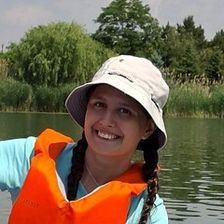
Mezitli beach, right beside the ruins of ancient Soli Pompeiopolis near Mersin. Launch from
the sandy stretch east of the I♥MEZİTLİ sign (to its left as you face the sea) — not the rocky section behind
the car park — go early to beat the afternoon wind, and stay inside the bay, because this is
open Mediterranean water. Free public beach, showers, lifeguards and a snack büfe on site.
In this guide
Here’s a small, strange fact to carry onto the water with you: every time someone corrects a grammar mistake, they’re quietly naming this stretch of Turkish coast. The word solecism — a slip in grammar — comes from Soli, an ancient city whose Greek-speaking colonists were mocked by the Athenians for their “corrupted” speech. That city stood right here, in what is now Mezitli, just west of Mersin. Two thousand years later its Roman harbour has silted into open sea — and that sea is where I spent a morning on a paddleboard.
This isn’t the mirror-flat, fully enclosed water of an Aegean bay like Selimiye. It’s open Mediterranean, beside a busy modern public beach, with a row of Roman columns standing on the shore behind you. That exact combination — everyday beach, extraordinary backdrop — is the whole reason to paddle here. Below is everything I learned on the day: where to actually put in, what the water is like, and how to do it safely.
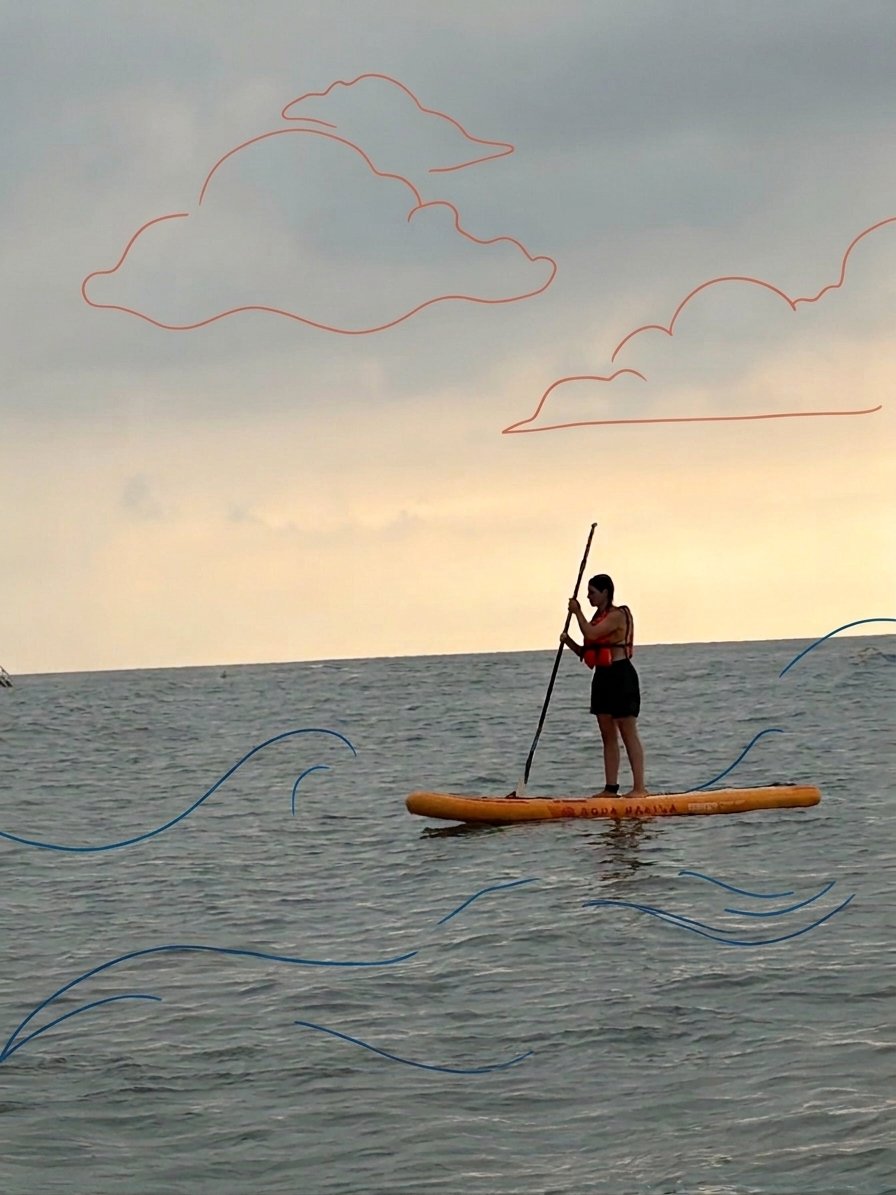
The harbour you’re paddling beside: a 2,000-year story
Soli was founded as a port city in Cilicia around the 7th–6th century BC by colonists from Rhodes. It became prosperous and unusually cultured — it was the birthplace of the Stoic philosopher Chrysippus and the poet Aratus. But its lasting fame is linguistic: the Athenians thought the locals spoke a debased form of Greek, and the name for that “bad grammar” — soloikismos — passed through Latin and French into the English word we still use today.
By the 1st century BC the coast had fallen to Cilician pirates. In 67–66 BC the Roman general Pompey the Great cleared them out, resettled some of the former pirates here, and refounded the city under his own name: Pompeiopolis, “the city of Pompey.” Its harbour thrived on Mediterranean trade — the Emperor Hadrian even funded an expansion of the port. Then a devastating earthquake in 525 AD levelled the city, and over the centuries the harbour silted up into the shoreline you see now.
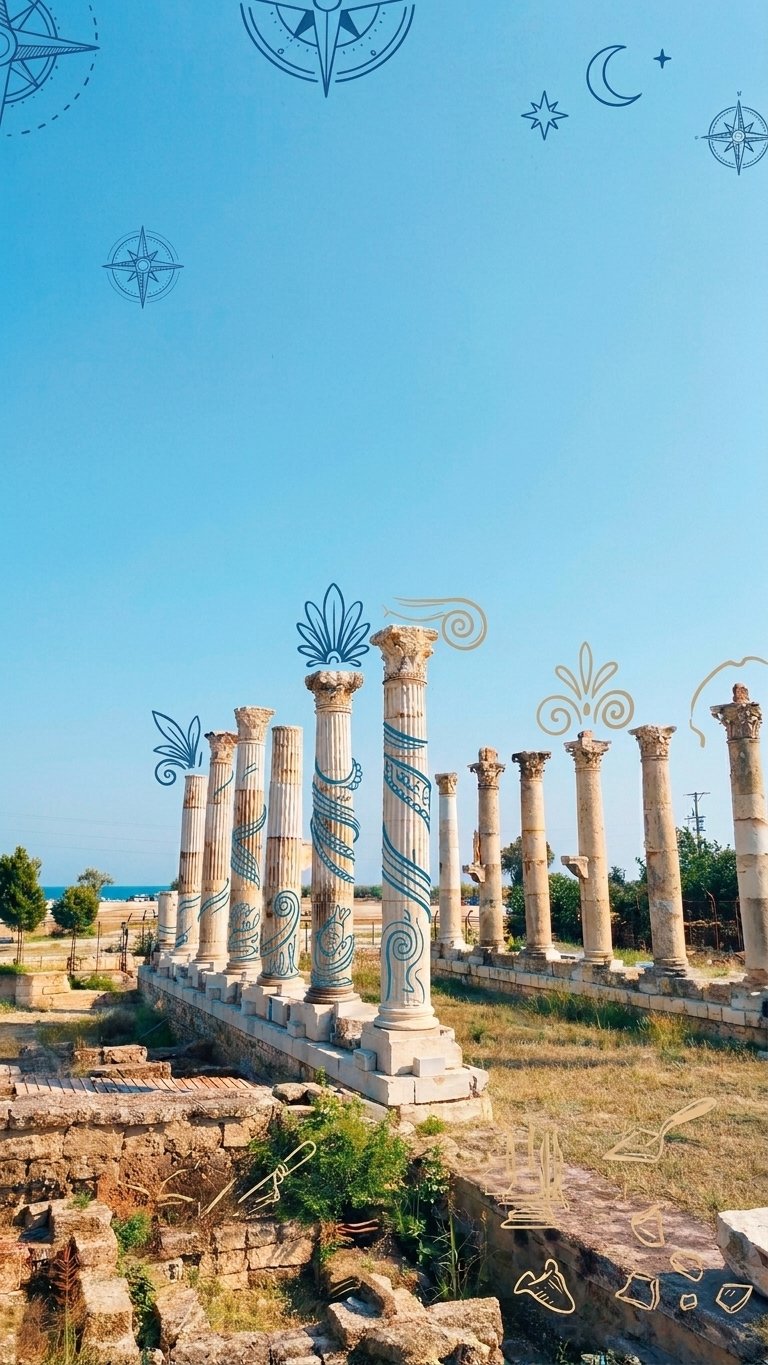
What survives is the star of the site: the colonnaded street, a grand avenue roughly 450 metres long that once ran down to the harbour lined with around 200 columns. About 40-odd are standing again today, many still wearing their carved capitals. One firsthand note — the columns are fenced off, so you view them from the walking path alongside rather than wandering among them. Even from the promenade, they make a backdrop you won’t get at any other SUP spot in Turkey.
Getting there and parking
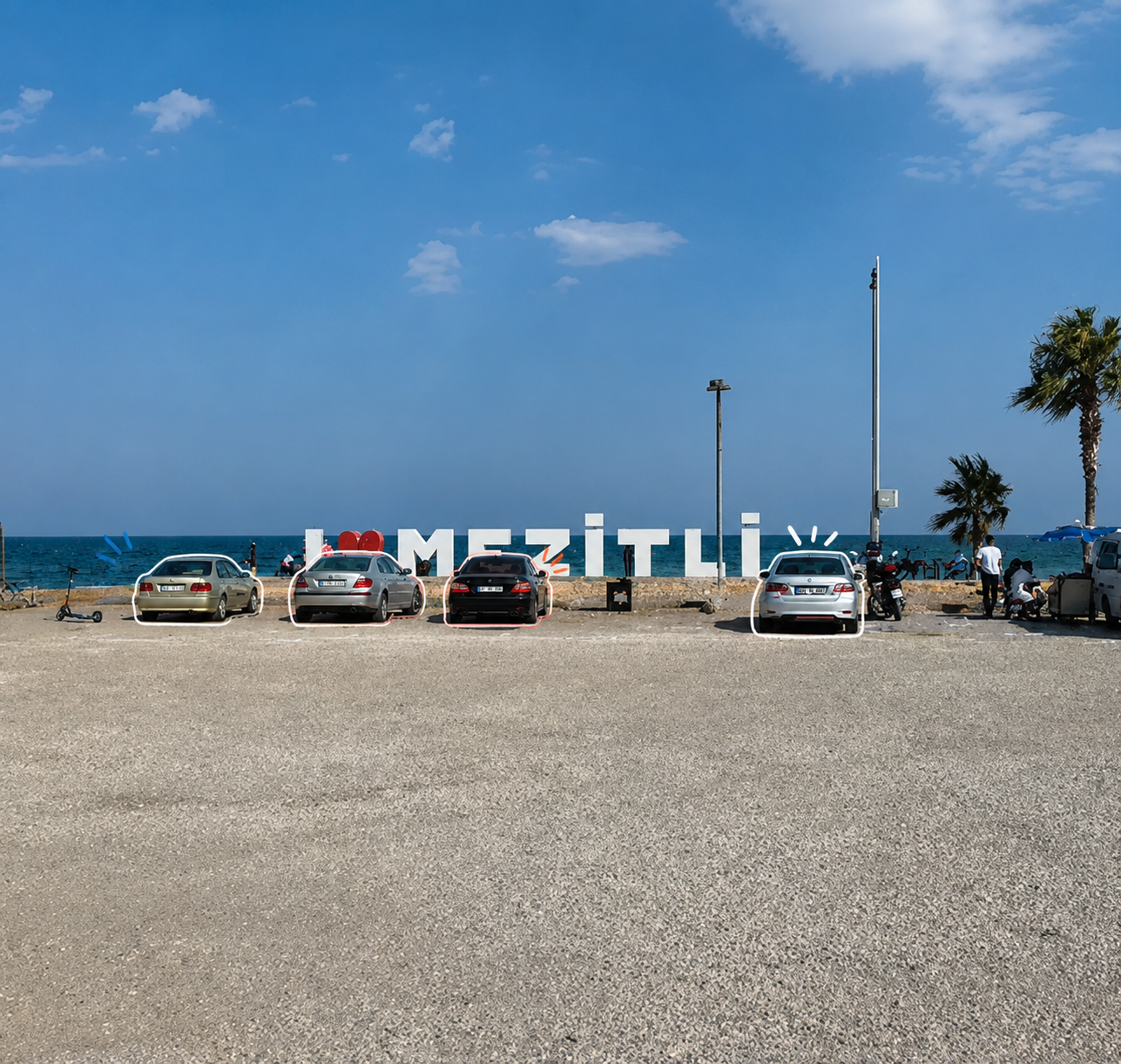
The site sits about 11–12 km west of central Mersin, in the Mezitli district, just off the D400 coastal road — an easy drive and well signed. The one thing that surprises first-timers is the layout: the ancient city sits back from the sea, and between the ruins and the shoreline there’s a very long, very wide car park. Parking is genuinely not a problem here, which is rare for a Turkish coastal beach in summer.
There’s also a proper blue bike path running along the front, so if you’re staying nearby it’s an easy cycle in. Handy to know if you’d rather not deal with a car and a board in peak season traffic.
Where to launch (and where not to)
This is the single most useful thing I can tell you, and it’s the kind of detail you only get by standing there. Do not put in directly behind the car park. That stretch of shore is rocky — enough to scuff or ding an inflatable’s skin and fins, and awkward to wade into with a board under your arm.
Instead, head east — to your left as you face the water — past the I♥MEZİTLİ sign, to the sandy beach. There you’ll find a small free public beach next to a paid sunbed / beach-club section. The entry there is proper sand — far kinder on your board and much easier to launch and land, especially if you’re still finding your balance on the mount.
What the water is actually like
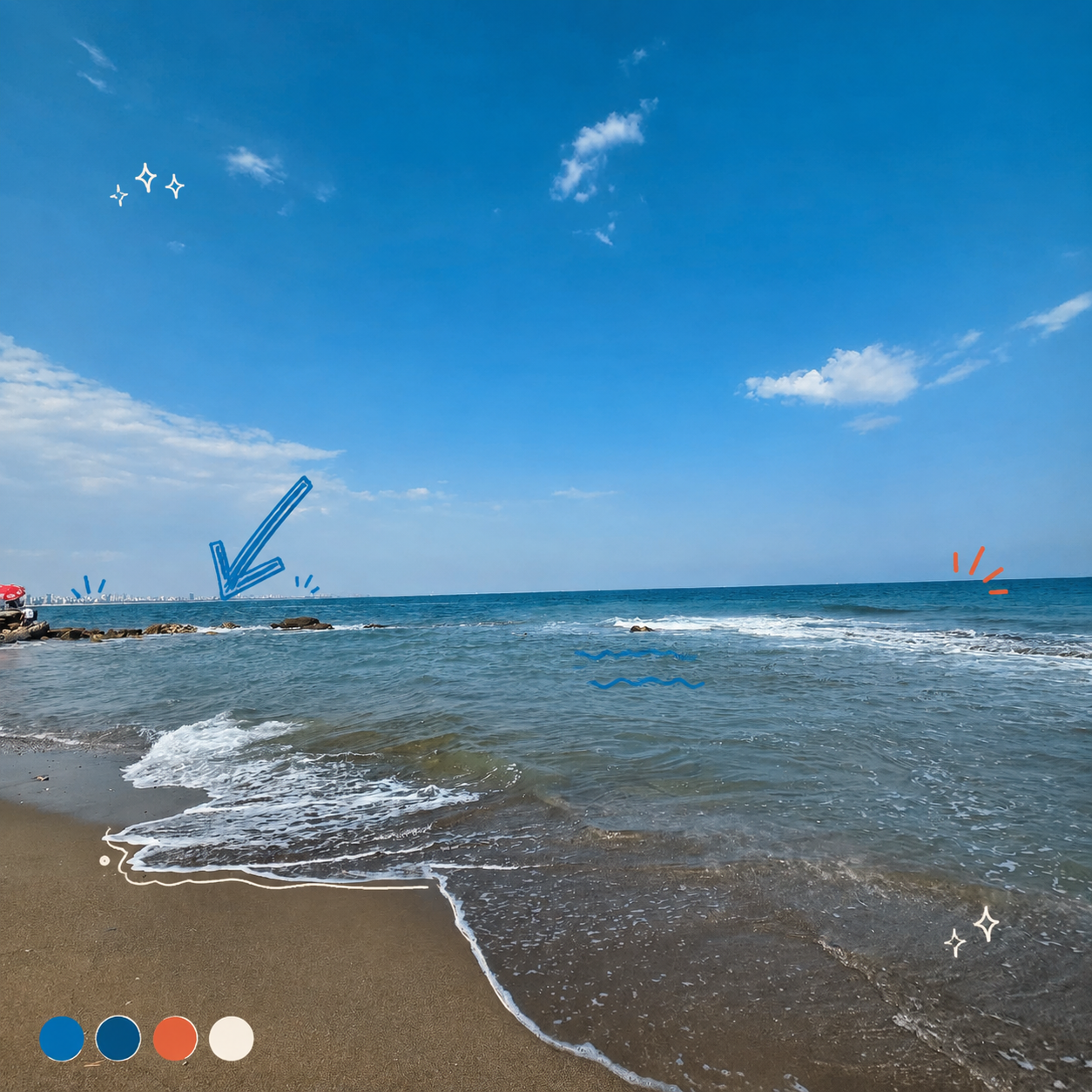
Honest report from my visit: the sea was lightly choppy and a little hazy, but not dirty — it didn’t look or feel unclean, just the slightly stirred-up water you get on an open coast. And that’s the key mental adjustment for this spot. Soli isn’t a sheltered, glassy bay. It’s open Mediterranean, which means there’s fetch for the wind to work on, and conditions build as the day warms up.
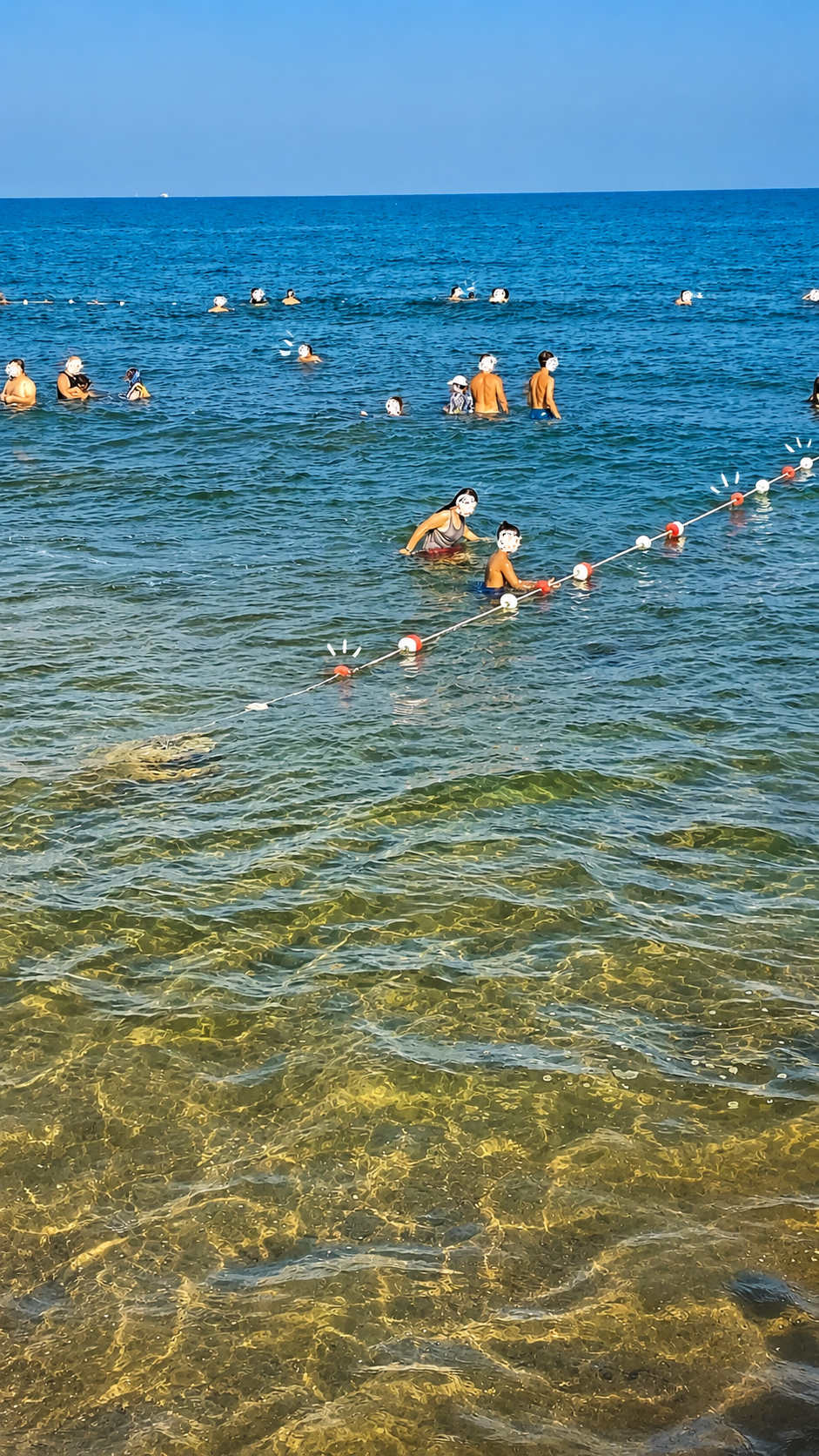
So the playbook is simple: paddle early. The window from roughly 6 to 9 AM is glassiest, coolest and least crowded, before the Mediterranean’s thermal winds pick up in the afternoon. There’s no paddleboarding ban here, but this is genuinely open water — keep your sessions close to shore and resist the urge to head out far. If a headwind builds while you’re out, getting back becomes real work fast. For an exposed spot like this, a wider, more stable board earns its keep, and a leash is non-negotiable.
The Mediterranean angle
This is what makes learning to paddle on the Turkish coast special: you can string together completely different mornings. Calm, enclosed Aegean bays like the sheltered coves further west for building balance — then open, history-soaked Cilician harbours like Soli Pompeiopolis for the sheer atmosphere of it. Same sea, two very different classrooms.
Facilities: what’s actually there
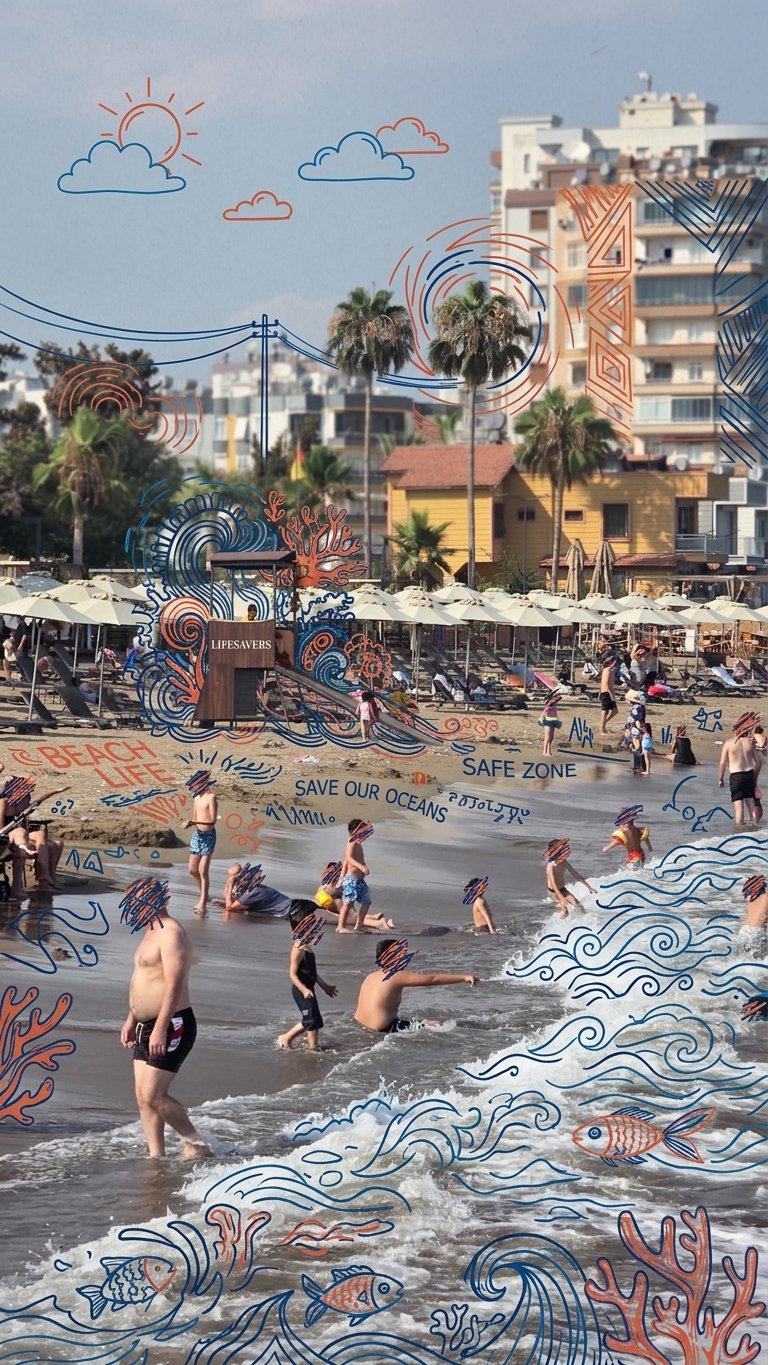
For a spot that feels off the tourist map, Mezitli beach is well set up. There’s a free public beach section and, right alongside it, a paid sunbed area if you’d rather have a lounger and service. The free stretch has showers — genuinely useful after a salty session — and there are active lifeguards on the beach, which is reassuring if you’re paddling solo or with kids nearby.
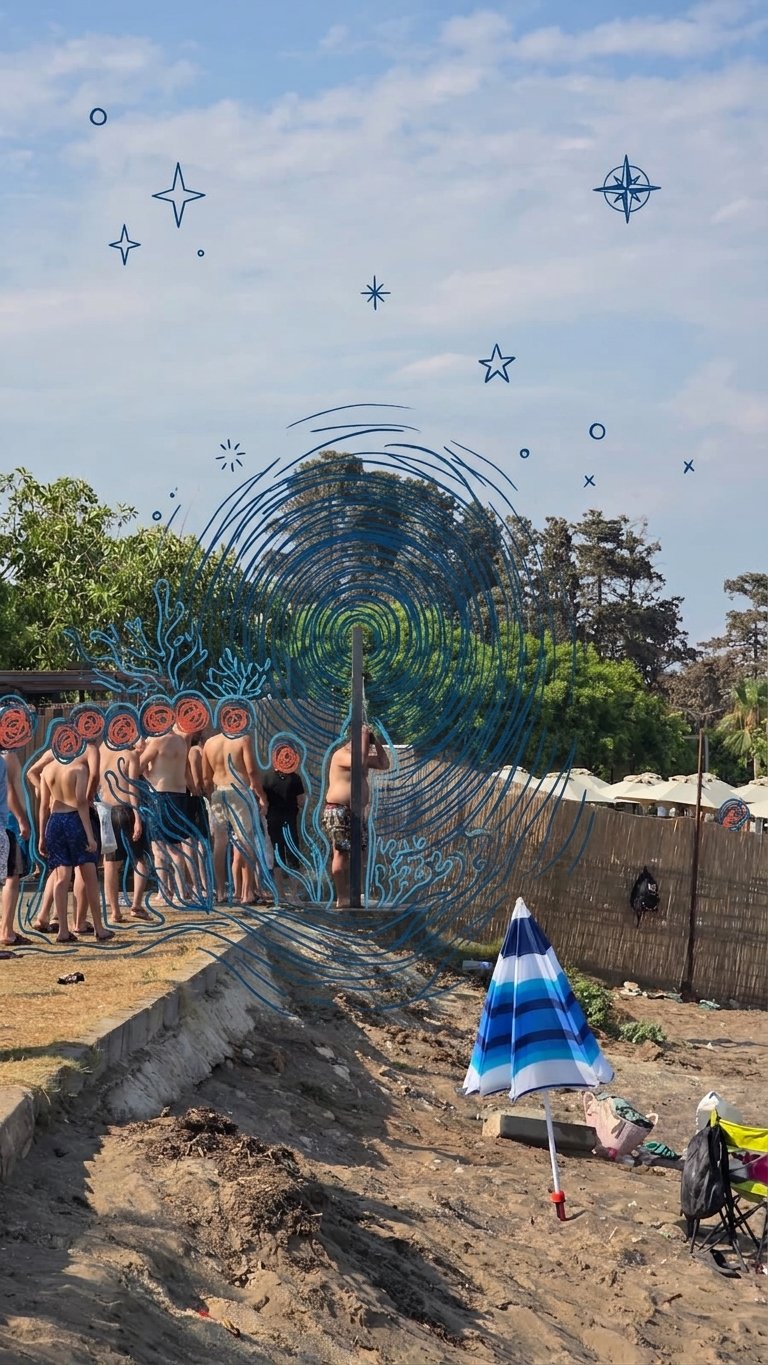
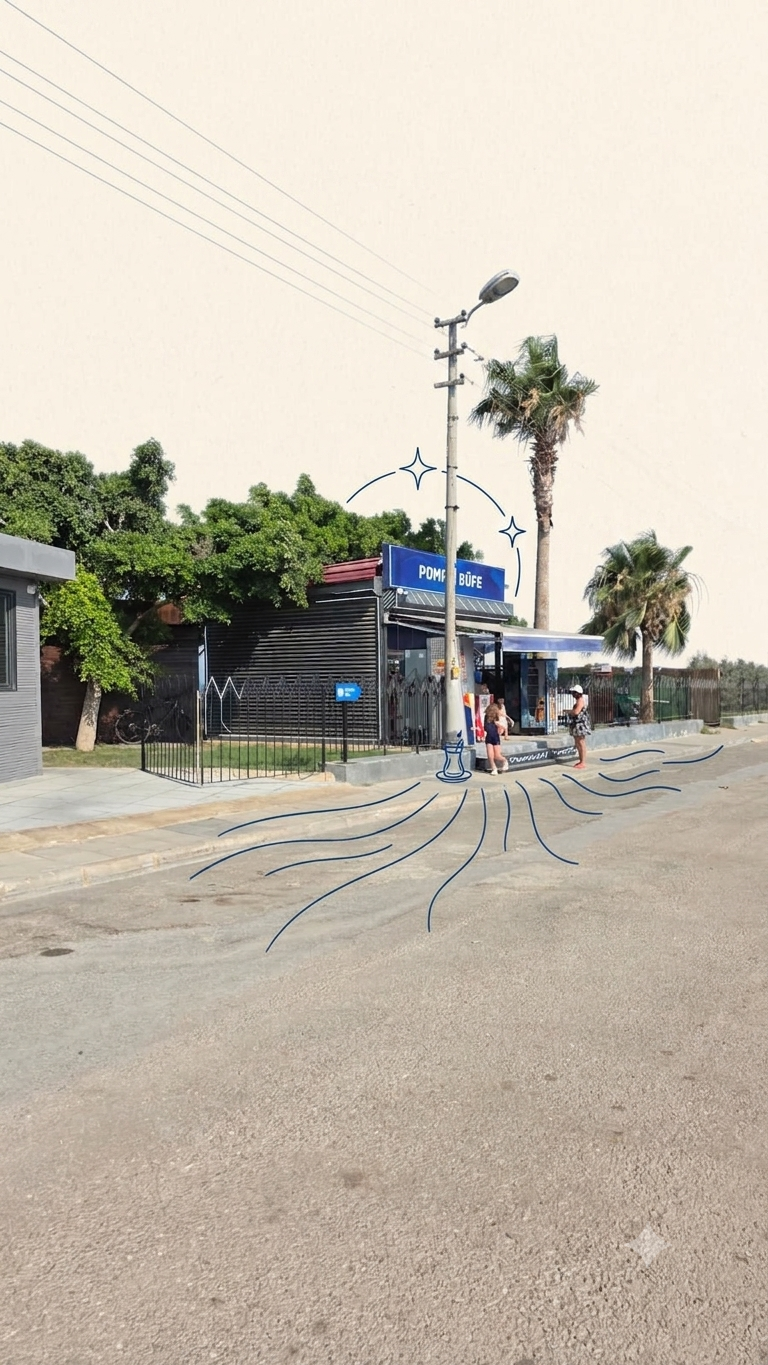
There’s also a büfe (snack kiosk) on site for water and snacks. Don’t treat it as your only water plan, though — reflected glare off the sea and the Cilician heat dehydrate you faster than you’d expect, so bring more water than you think you need and top up here if you run low.
Safety and what to bring
Nothing here is complicated, but this is open water beside a swim zone, so a few things are worth locking in before you step on the board. If you’re brand new to SUP, it’s worth running through the fundamentals first so your first session on open water isn’t also your first session full stop.
Soli Pompeiopolis SUP checklist
- Launch from the sandy beach east of the I♥MEZİTLİ sign (to your left facing the sea), not the rocky car-park shore.
- Go early — aim for the calm 6–9 AM window before the afternoon wind.
- Wear a properly fitted PFD and always clip on your leash.
- Stay inside the bay and close to shore — this is exposed, open Mediterranean water.
- Give the roped swim zone a wide berth on your way in and out.
- Bring more water than you think you need, plus sun protection and a hat.
Frequently asked questions
Can you paddleboard at Soli Pompeiopolis (Mezitli beach)?
Yes. There’s no paddleboarding ban on the Mezitli shoreline beside the ruins. Launch from the sandy beach just east of the I♥MEZİTLİ sign (to your left as you face the sea), avoid the rocky stretch behind the car park, wear a leash and PFD, and stay inside the bay — this is open Mediterranean water, not an enclosed cove.
Is there SUP board rental on site?
Not that I found — this is a local public beach rather than a dedicated watersports centre, so plan to bring your own board or rent one in central Mersin before you drive out. If you do spot a seasonal operator, confirm they include a leash and a short safety briefing before you launch.
When is the best time to paddle here?
Early morning, roughly between 6 and 9 AM, before the Mediterranean’s thermal winds build. Mornings are calmer, cooler and far less crowded than the middle of the day.
Is the sea clean enough for SUP?
On my visit the water was lightly choppy and slightly hazy but not dirty, and the beach has active lifeguards and a marked swim zone. Conditions shift with wind and season, so judge it on the day you go.
Can you walk inside the ancient columns?
The colonnaded street is fenced off, so you view the columns from the walking path alongside rather than among them. They still make a remarkable backdrop from both the promenade and the water.
How far is Soli Pompeiopolis from Mersin?
About 11–12 km west of central Mersin, in the Mezitli district (the Viranşehir area), just off the D400 coastal road. A large car park sits between the ruins and the beach.
Soli Pompeiopolis won’t give you the mirror-flat water of a hidden Aegean bay. What it gives you instead is rarer: a morning paddle in the shadow of a harbour Pompey the Great rebuilt, on a coast that quietly named a word in your dictionary. Start early, respect the open water, and it’s one of the most quietly extraordinary places to put a board in on the whole Turkish Mediterranean.